
Trends · By Ayushi Shah · 27 July 2026 · 7 min read
Floral Pattern Trends 2026: Prints You'll See Everywhere This Year
Softer colour, larger blooms and hand-drawn detail — the ten floral print directions shaping fashion, home décor and lifestyle products in 2026.
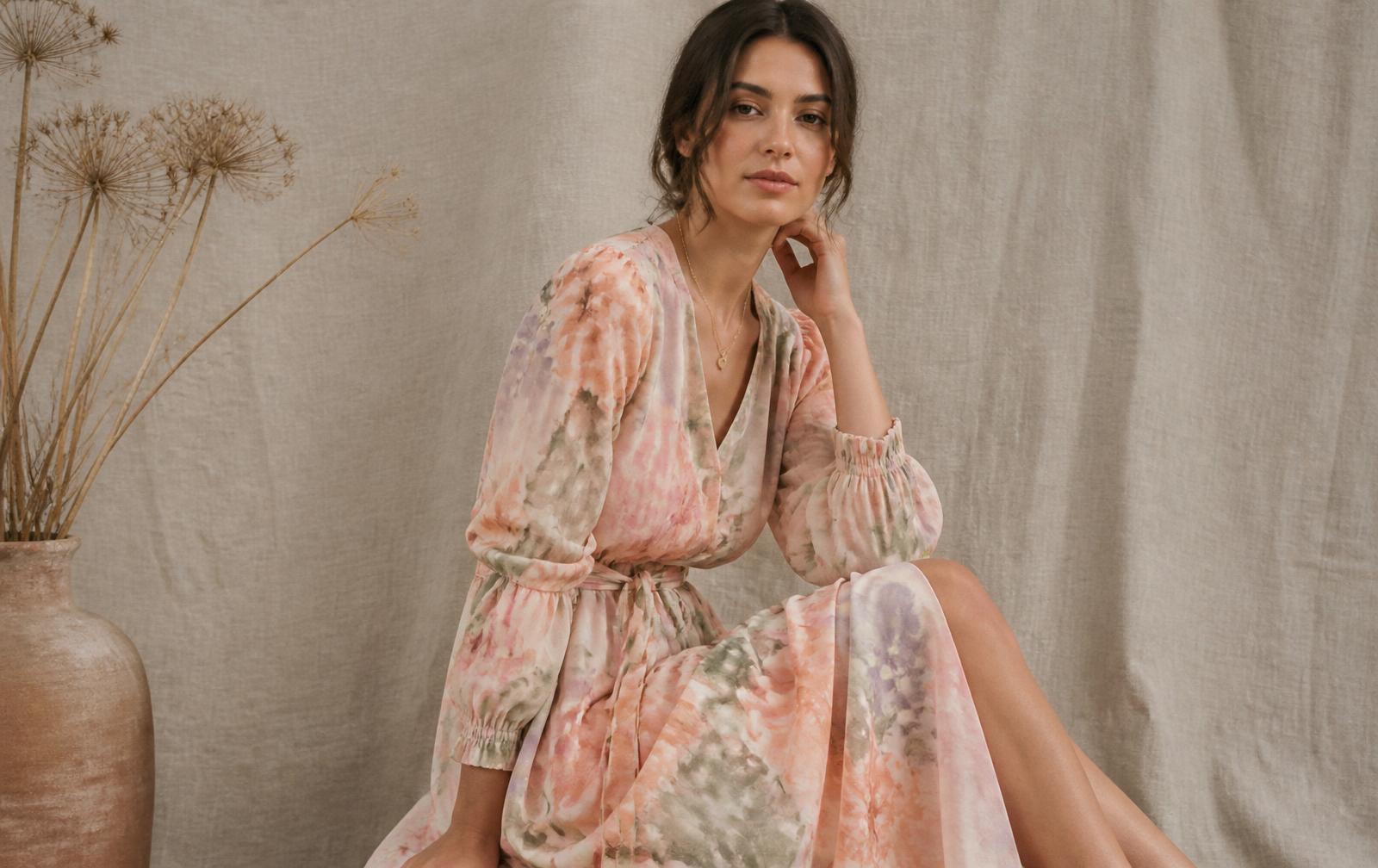
Floral prints never really go out of style. Every year they change a little, but they always find a place in fashion, home décor and everyday products. In 2026, floral patterns are moving towards a softer and more natural look. Designers are mixing classic flowers with fresh ideas to create prints that feel modern without losing their timeless charm.
If you're a fashion brand, textile buyer, or someone looking for inspiration for your next collection, these are the floral trends worth keeping an eye on.
In short
Key takeaways
- Floral prints in 2026 move softer and more natural — gentle watercolour colour bleeds replace hard outlines.
- Oversized statement blooms take over from busy repeats on maxi dresses, kaftans, sarees, wallpaper and bed linen.
- Vintage garden and botanical-illustration prints stay strong in premium fashion and home décor.
- Tropical florals carry summer and resort collections, with leaf structure as considered as the flower.
- Minimal florals win on negative space; tiny ditsy repeats remain the everyday staple for nightwear and kidswear.
- Indian-inspired buti and paisley motifs are being redrawn in lighter, contemporary palettes.
- The 2026 palette is nature-led — olive, sage, terracotta, butter yellow, dusty blue and warm cream — with hand-drawn detail preferred over perfect digital symmetry.
1. Soft watercolour florals
Watercolour flowers continue to be one of the most loved styles this year. Instead of bold outlines, these prints have gentle colour transitions that make them feel light and elegant.
They work beautifully for dresses, scarves, sleepwear, resort wear and even home textiles like cushion covers and curtains. Popular colours include soft peach, dusty pink, sage green, lavender and warm beige.
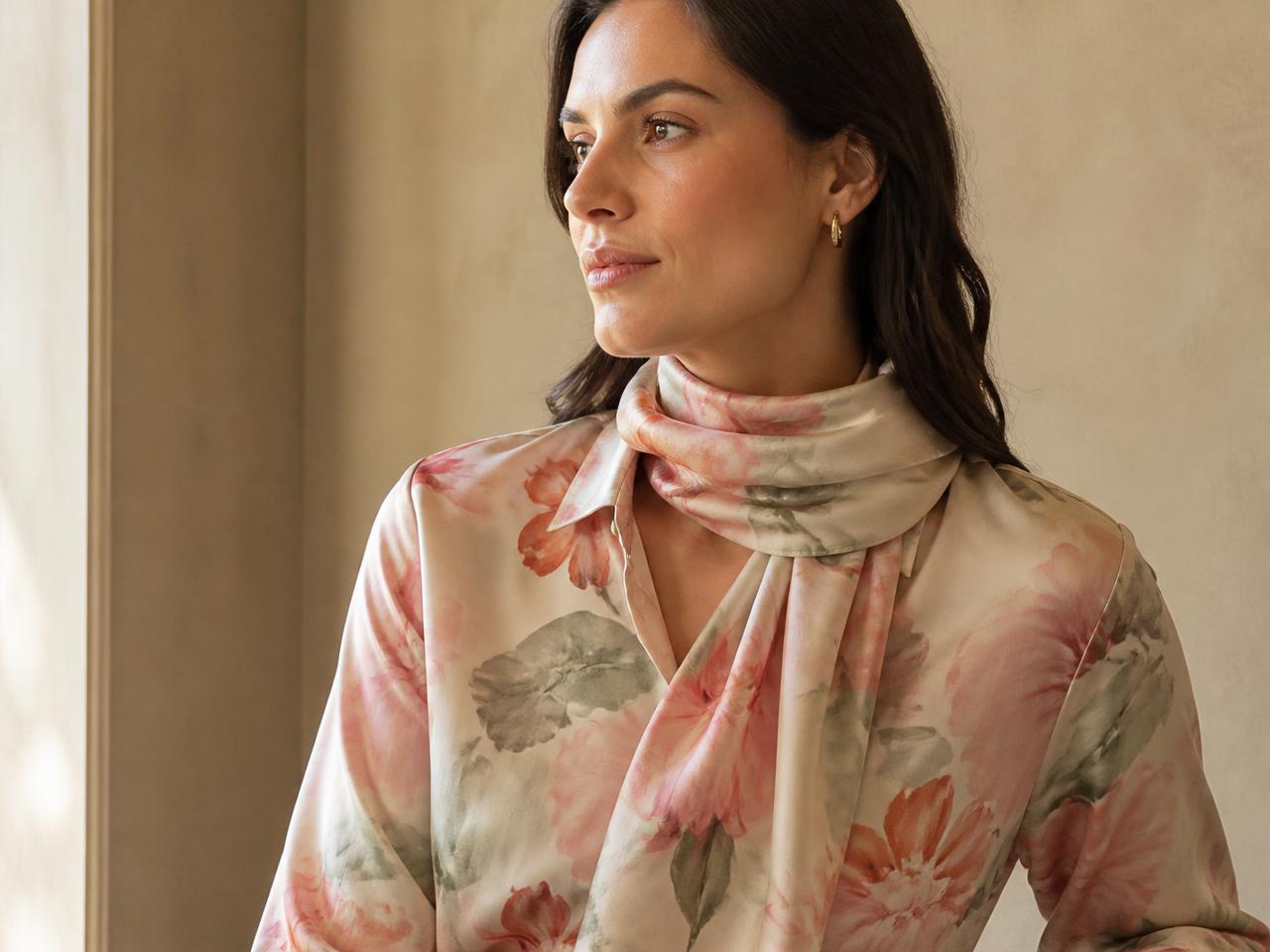
2. Large statement flowers
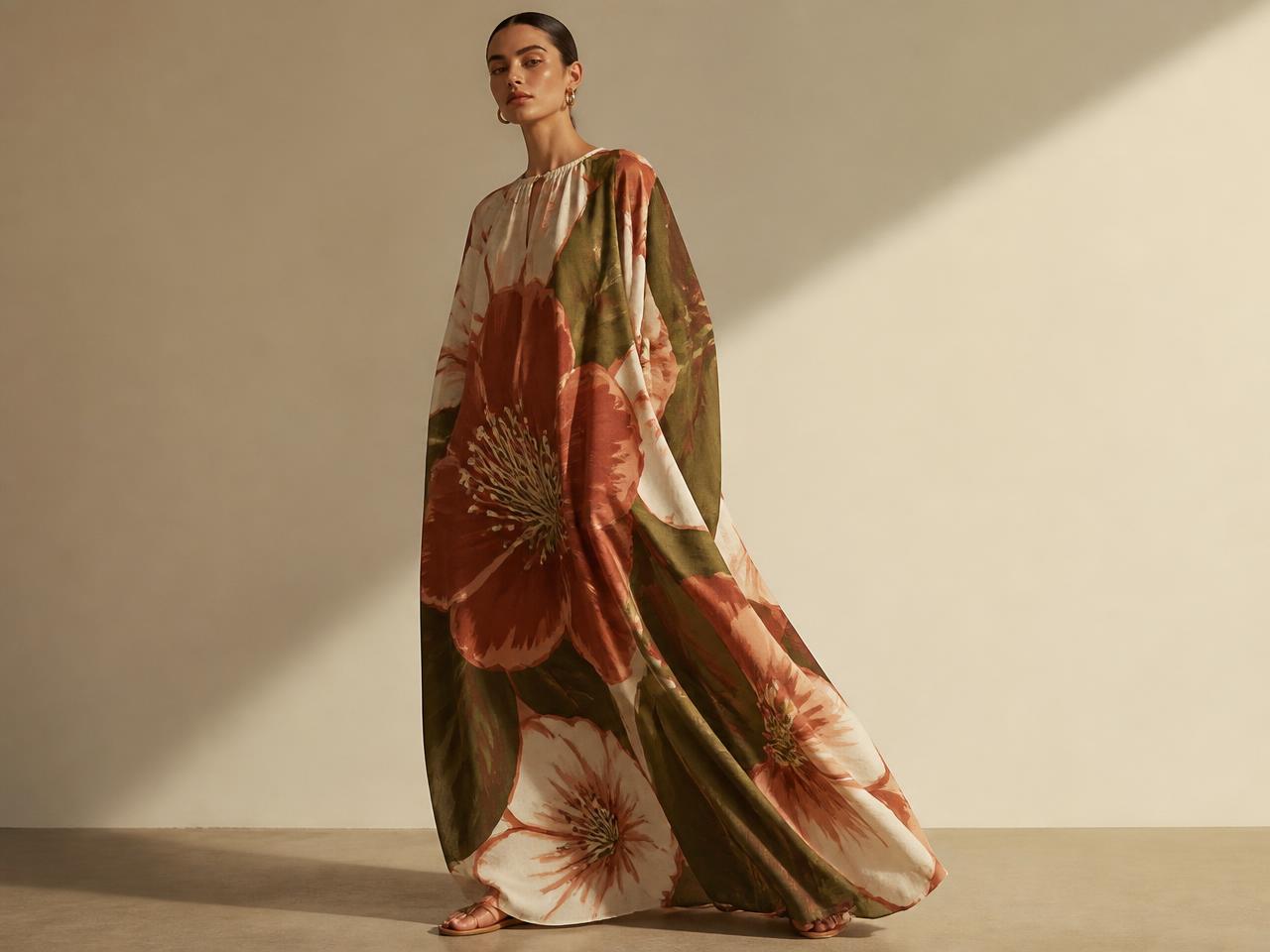
Tiny floral repeats are making room for oversized blooms. Big flowers create a strong visual impact while keeping the overall design simple.
- Maxi dresses
- Kaftans
- Sarees
- Wallpaper
- Bed linen
Large floral placements also allow the beauty of each flower to stand out without making the fabric look busy.
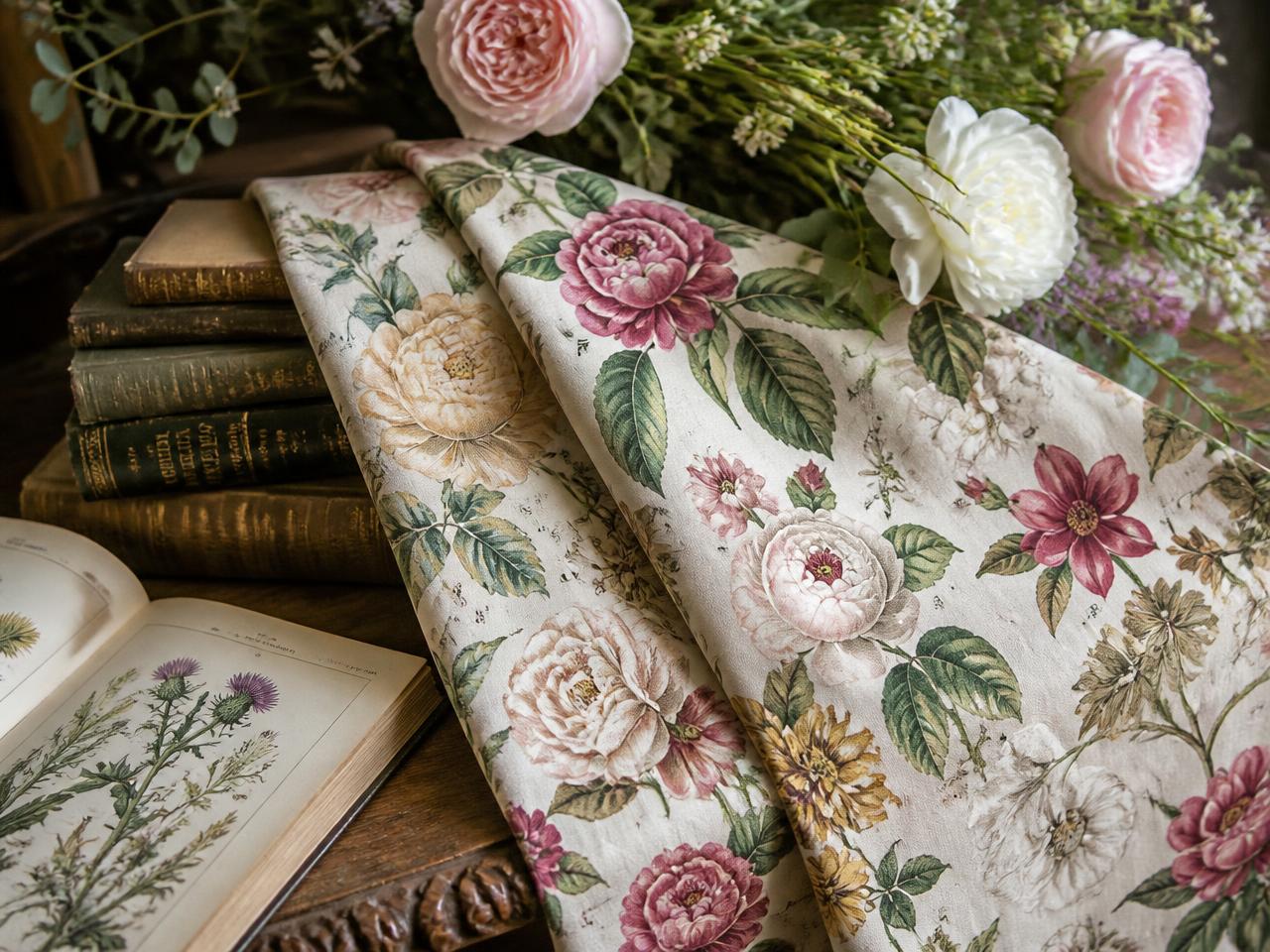
3. The vintage garden look
Designers are bringing back the charm of old botanical illustrations. These prints feel inspired by English gardens, vintage books and hand-painted artwork.
- Roses
- Peonies
- Wildflowers
- Delicate leaves
- Soft earthy colours
This style works especially well for premium fashion collections and home décor products.
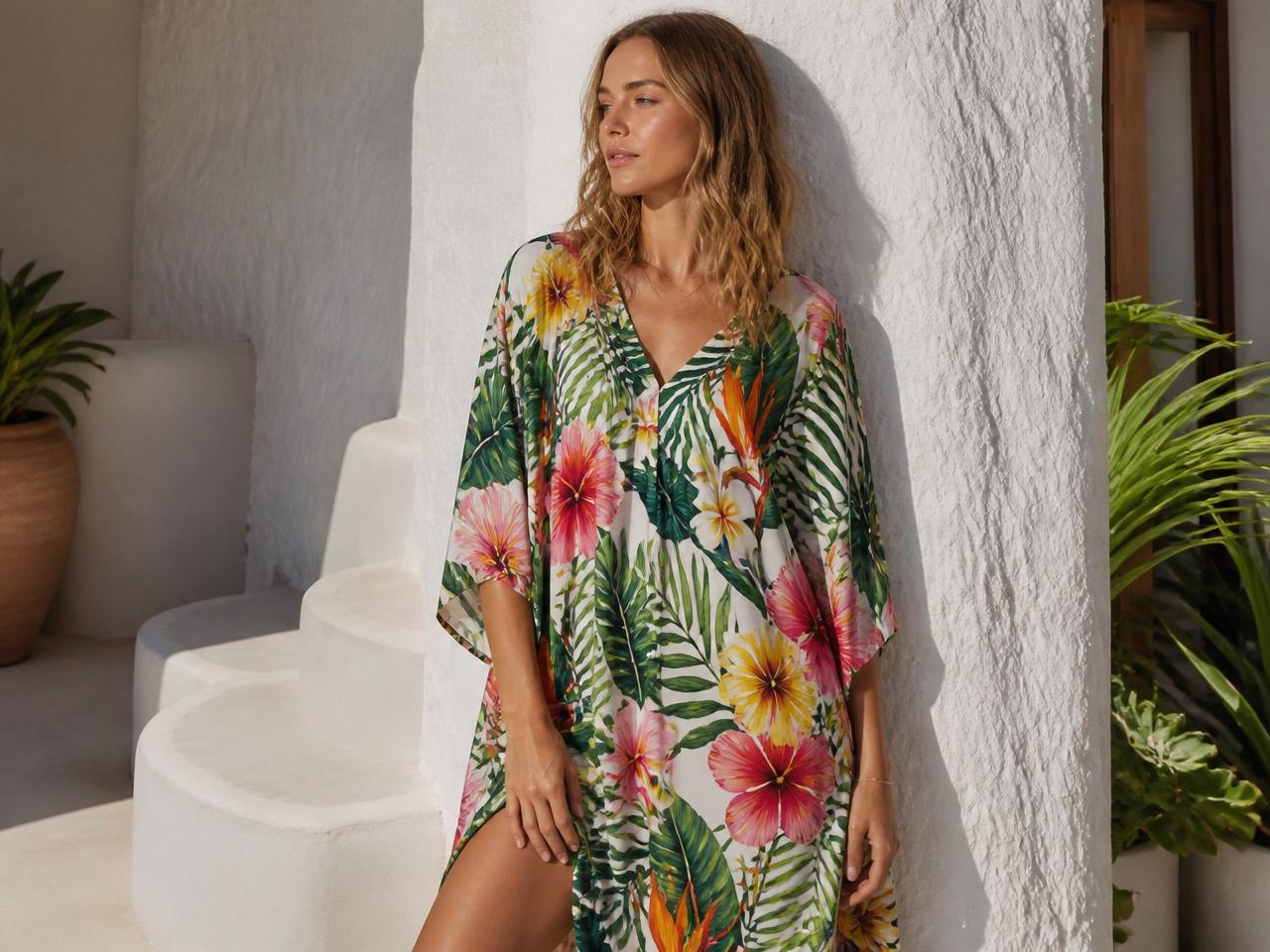
4. Tropical florals
Bright tropical flowers are becoming more popular, especially for summer collections. Designers are using hibiscus, plumeria, bird of paradise and orchids.
These prints pair beautifully with large tropical leaves and are perfect for beachwear, vacation clothing and resort collections.
5. Minimal floral patterns
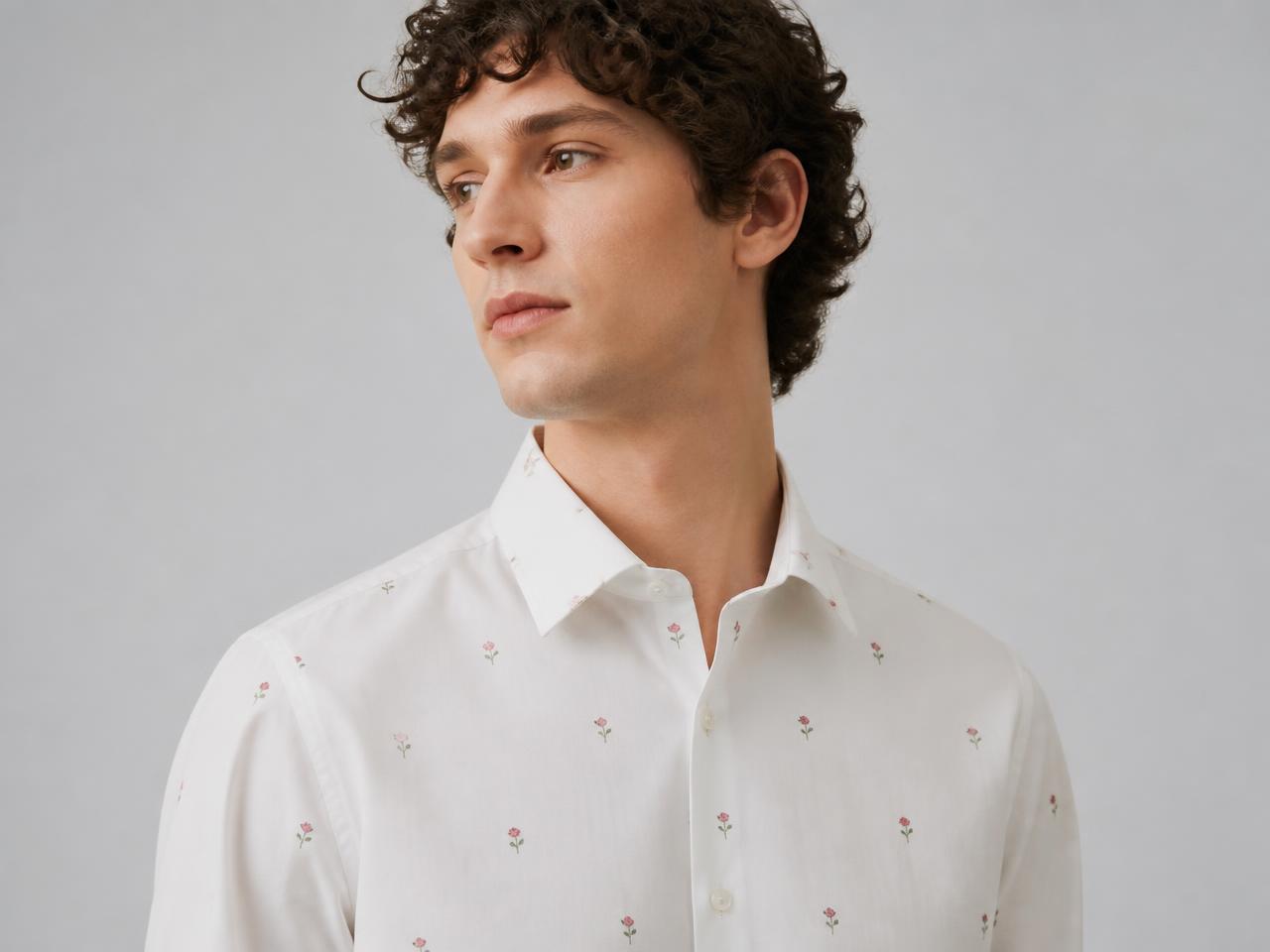
Not every floral print needs to be full of flowers. Many brands are choosing simple floral designs with plenty of empty space. This gives fabrics a clean and modern look.
- Shirts
- Office wear
- Kidswear
- Lifestyle products
- Stationery
Sometimes, just a few carefully placed flowers create a stronger design than a crowded pattern.
6. Indian-inspired florals
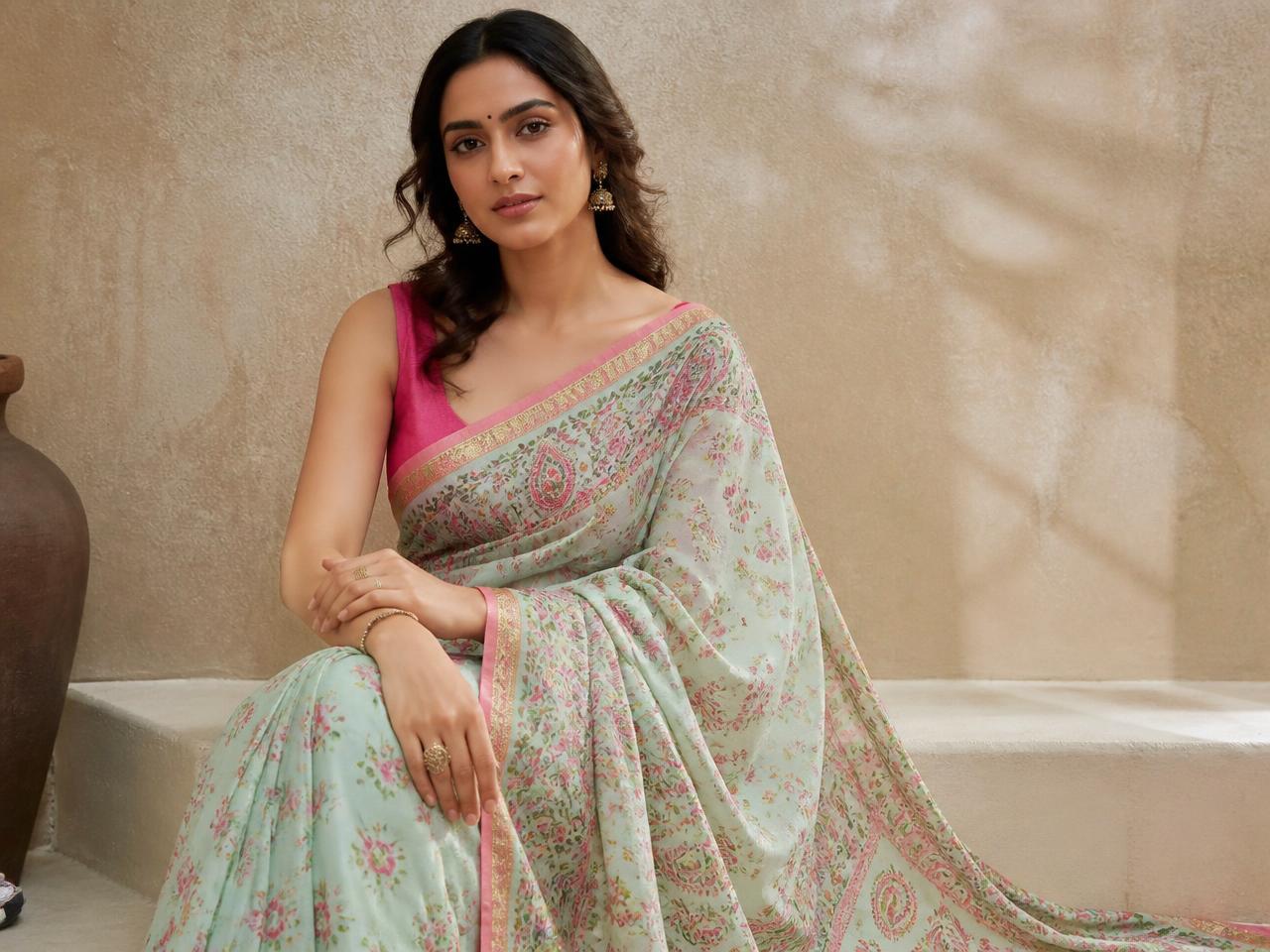
Traditional Indian floral art continues to influence modern textile design. Designers are combining classic floral motifs with fresh colour palettes to create prints that feel both familiar and contemporary.
- Kurtis
- Sarees
- Dupattas
- Ethnic wear
- Festive collections
The goal isn't to copy traditional artwork but to give it a modern touch — the approach behind our Indian Stories collection of saree and kurta prints.
7. Tiny floral repeats
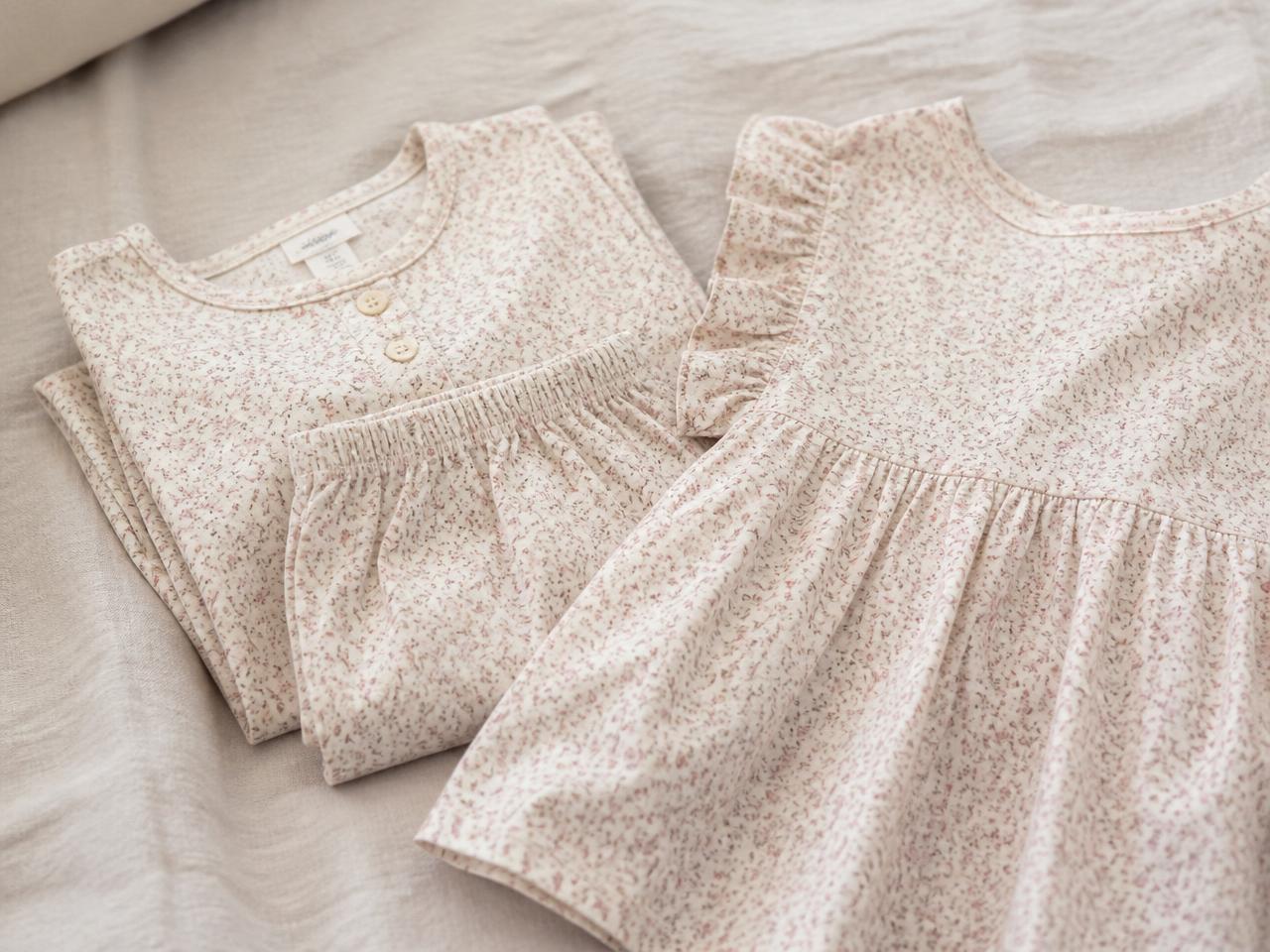
Small repeating flowers remain a favourite for everyday fashion.
- Nightwear
- Loungewear
- Children's clothing
- Lingerie
- Casual tops
The designs feel soft, comfortable and easy to wear, making them a safe choice for many brands.
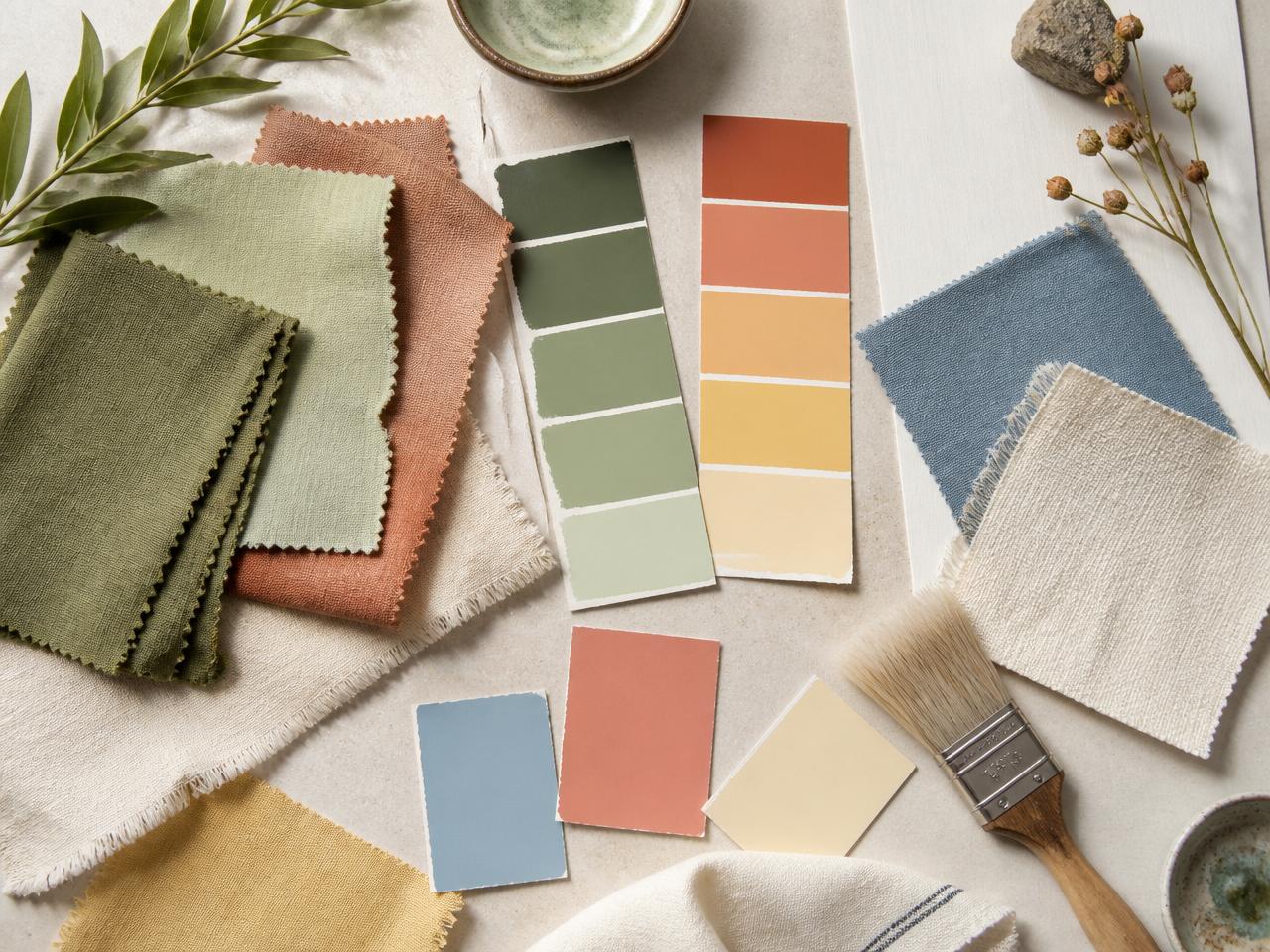
8. Nature-inspired colour palettes
Instead of very bright colours, many designers are choosing shades inspired by nature. Some of the popular colours for 2026 include:
- Olive green
- Sage green
- Terracotta
- Butter yellow
- Dusty blue
- Soft coral
- Warm cream
These colours make floral prints feel calm and premium without looking dull.
9. Hand-drawn details
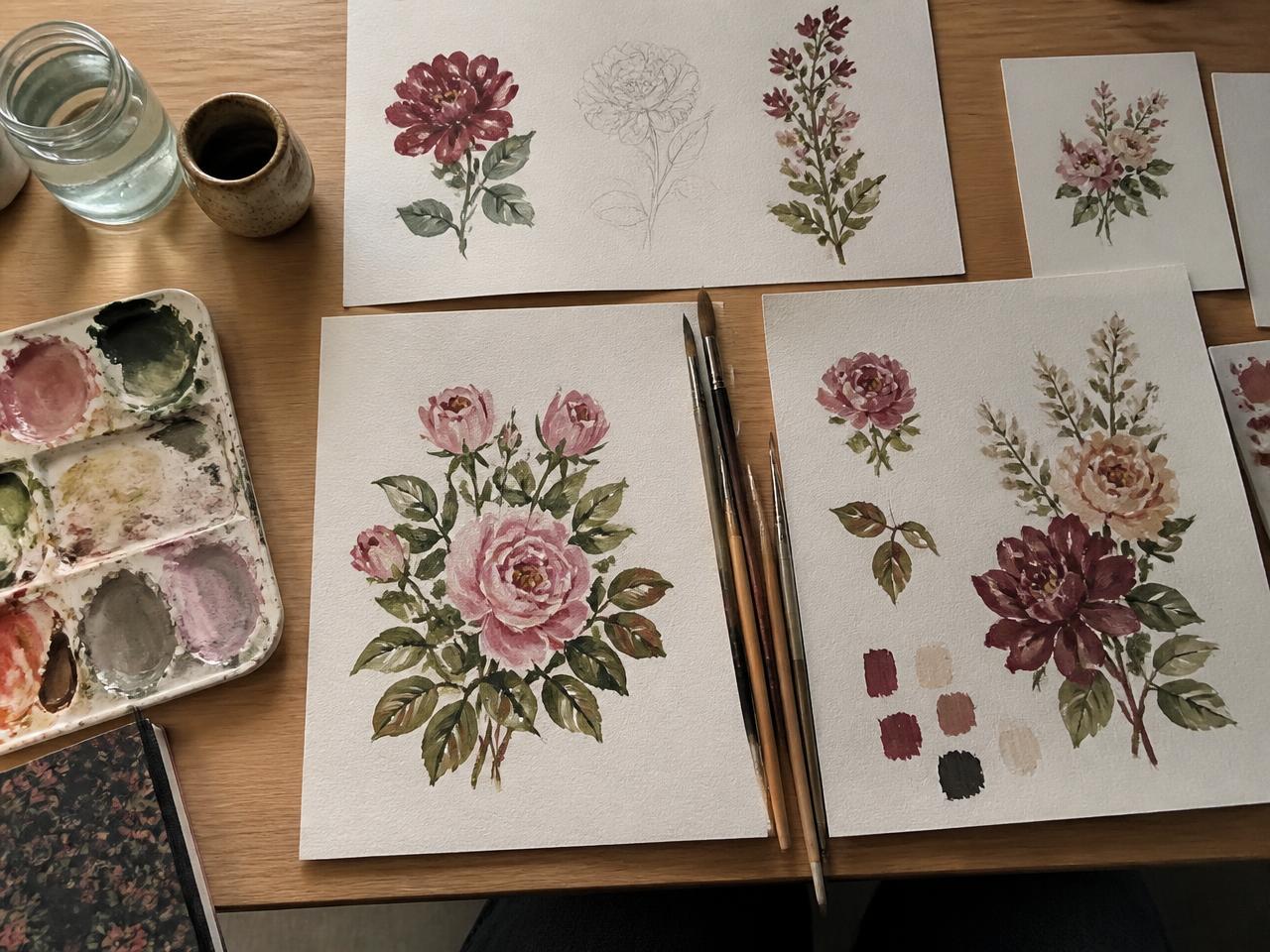
People appreciate artwork that feels personal. That's why hand-drawn flowers are becoming more popular than perfectly symmetrical digital illustrations.
Slight imperfections, pencil textures and painted brush strokes give a design more character and make it feel unique.
10. Florals beyond fashion
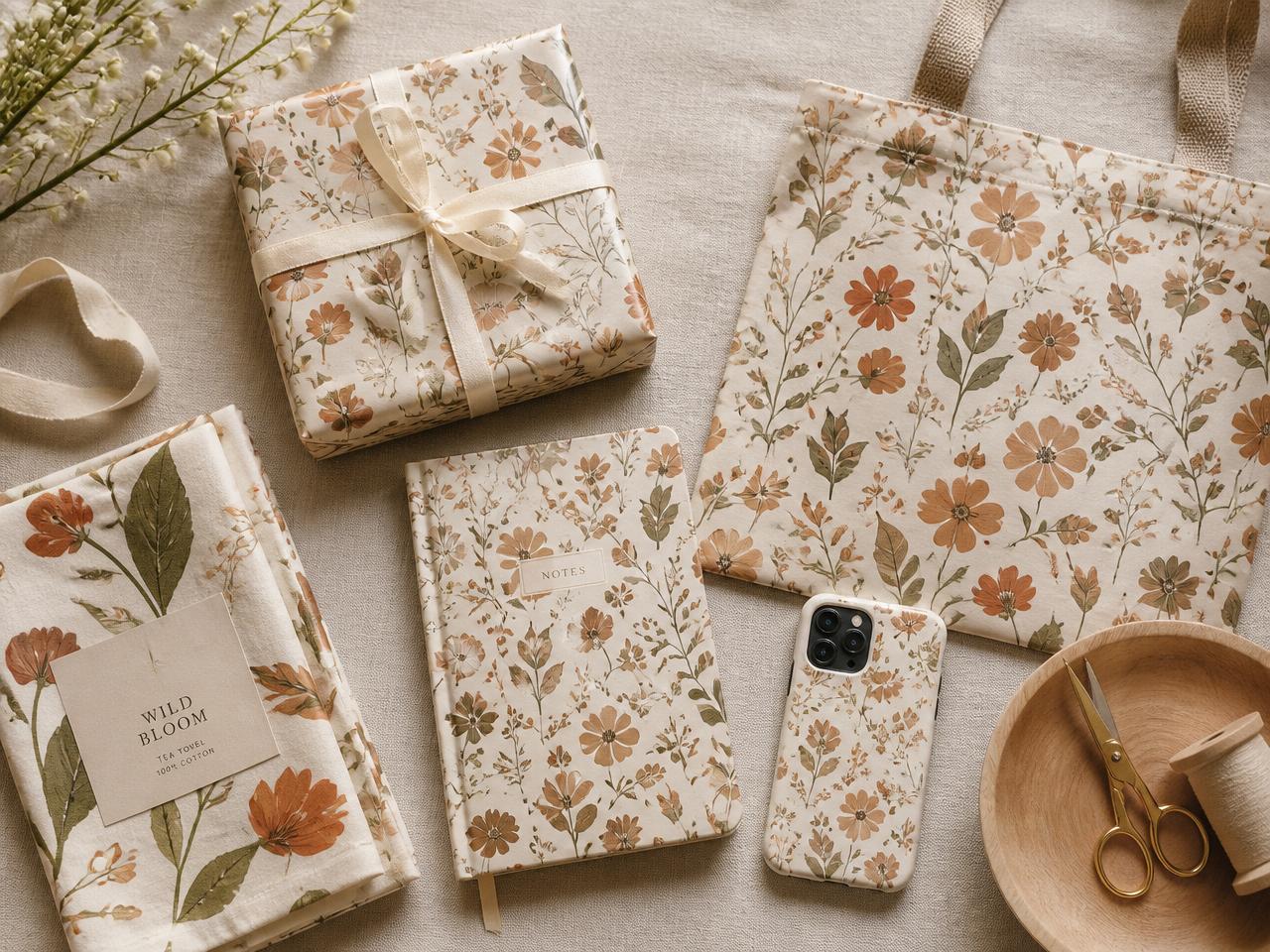
Floral patterns are no longer limited to clothing. Today they're also being used on:
- Gift wrapping paper
- Phone cases
- Journals
- Packaging
- Kitchen textiles
- Tote bags
- Wallpaper
- Fabric accessories
A single floral design can often be adapted for many different products, making it more valuable for brands and designers.
Final thoughts
Floral patterns have always been part of the textile world, but 2026 is all about balance. The focus is shifting towards softer colours, thoughtful layouts and designs that feel natural rather than overly decorative.
Whether you love delicate wildflowers, bold tropical blooms or timeless botanical illustrations, there's room for every style. The key is choosing a floral design that matches your brand and the people you're designing for.
At Oura by Ayushi, we believe good floral patterns should feel beautiful today and still look beautiful years from now. That's why we focus on creating timeless botanical seamless patterns that brands can use across fashion, home décor, accessories and many other products — under a standard commercial licence or a one-buyer exclusive licence.
Questions
Trends, answered.
Keep reading
Related reading.
- Pattern Licensing Guide: Standard vs Exclusive — Choose the Right License for Your BrandStandard or exclusive? Compare costs, rights and exclusivity, then use five questions, three brand scenarios and sample budgets to decide in five minutes.
- Surface Pattern Design 101: Seamless Repeats ExplainedHow seamless patterns actually work — repeat types, 300 DPI, file formats, scale, colour and the five mistakes that cost brands money.
- Commission a custom pattern for your collectionSend a brief and we'll design a repeat around your brand.
- More field notes from the studio
New pattern drops
Get new patterns before anyone else.
A quiet letter from the studio — new drops, exclusive releases and print notes. No noise, unsubscribe any time.
More field notes are in the works.
Back to journal