
Trends · By Ayushi Shah · 13 August 2026 · 10 min read
Textile Print Trends 2026: Beyond Florals — 10 Pattern Directions Every Designer Should Know
Ten pattern directions shaping 2026 beyond florals — geometric resurgence, abstract minimalism, nature textures, cultural fusion and the strategy for mixing them.
In short
Key takeaways
- Florals stay relevant in 2026 but stop being enough on their own — saturated categories stop earning attention.
- Geometric resurgence leads: Y2K energy with minimalist discipline, outperforming florals in menswear.
- Abstract minimalism rides quiet luxury — one to three colours, generous negative space, cleaner production.
- Nature textures replace illustrated flowers with bark, stone, moss and water surfaces.
- Cultural fusion, retro revival, micro ditsies, placement prints, controlled maximalism, narrative prints and sustainability-led design complete the ten.
- Mix trends 40/40/20 — primary direction, complementary direction and a timeless anchor.
- Source 60% established, 30% emerging and 10% future-forward to protect both brand and sales.
- Refresh quarterly: test one or two patterns per direction, scale the winners, retire the rest.
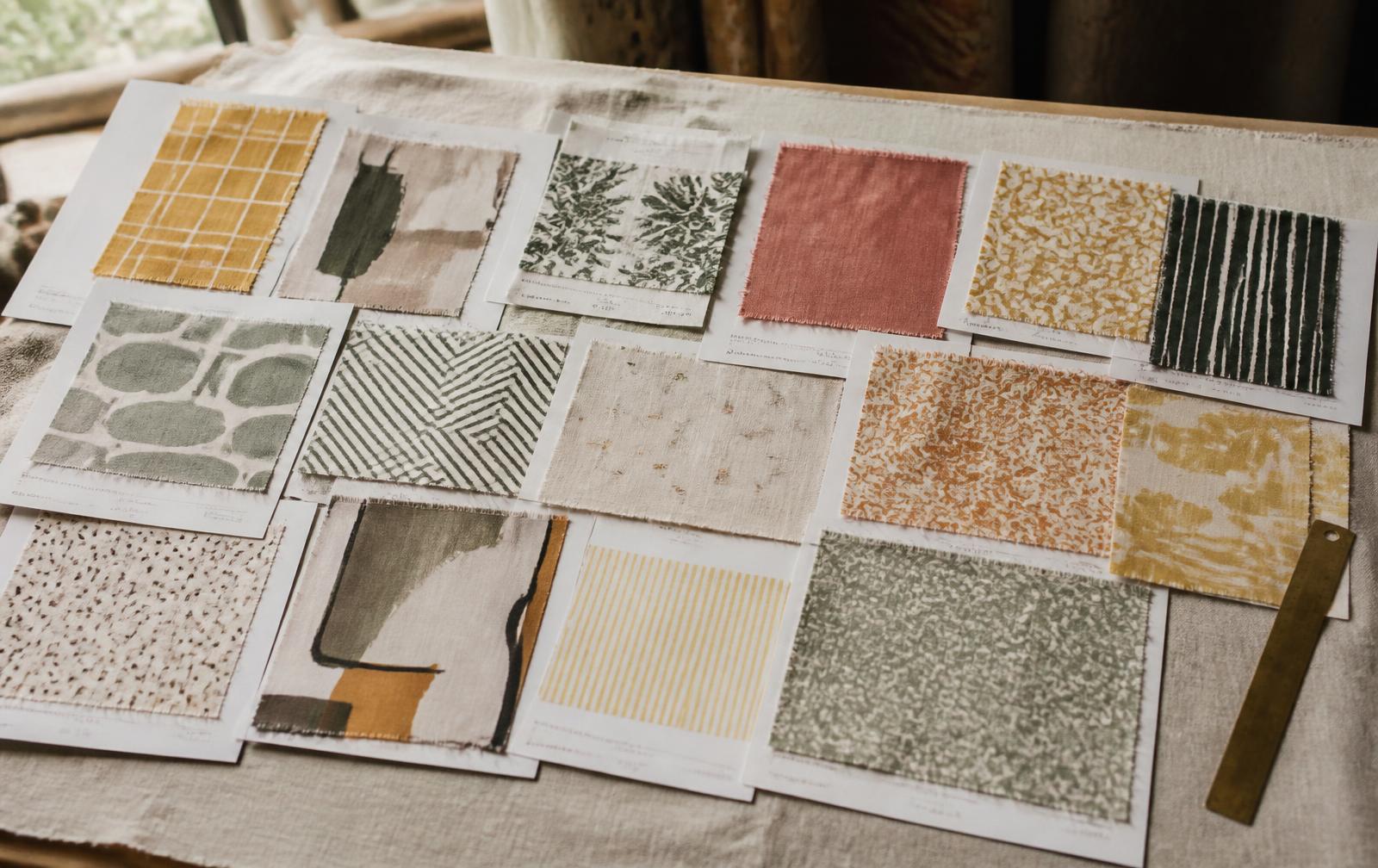
2026 is the year florals share the spotlight. They are not going anywhere — botanicals are the backbone of the industry — but the interesting movement in print this year is happening everywhere else. Pattern is expanding in directions that would have looked risky two seasons ago: architectural geometry, abstract minimalism, natural surface texture, respectful cultural fusion, narrative repeats.
Designers and buyers do not need another list of what is already saturated. They need to know what is emerging — the directions that are still accelerating, where early positioning is cheap and shelf space is available. That is what this guide covers: ten pattern directions winning in 2026, each one backed by real market signals, the briefs landing in this studio and what is actually going into production.
Understanding the full range of trends — not just the safest one — is a commercial advantage. It lets you build a collection that has breadth, a point of view and a reason for a buyer to stop. Read on for the ten directions, the products each one suits, and a strategy for mixing them so your range stays coherent.
Why Florals Are No Longer Enough
Florals are safe. They sell. That is precisely the problem: everyone knows it. Walk a retail floor or scroll a marketplace and floral is the default print in almost every category, at almost every price point. When a category is that crowded, the print stops doing the one job you licensed it for — making the customer look twice.
Consumers are actively looking for differentiation. The shopper who bought three floral dresses last year is looking for something that is not a fourth floral dress. Buyers feel this before designers do, which is why print briefs in 2026 keep asking for range rather than more of the same.
A studio or brand that only offers florals will lose shelf space this year — not because floral is weak, but because a range built on one direction reads as thin. The brands winning are the ones that know which emerging directions to place beside their botanicals.
Florals will not disappear in 2026. They will simply stop being enough on their own.
Oura patterns reflect these directions because the studio tracks them and designs into them — geometry, abstract, texture, cultural motifs and narrative collections sit alongside the botanicals. The opportunity is straightforward: discover what is next before your competitors are already selling it.
Trend 1: Geometric Resurgence — Y2K Meets Minimalism
What’s Happening
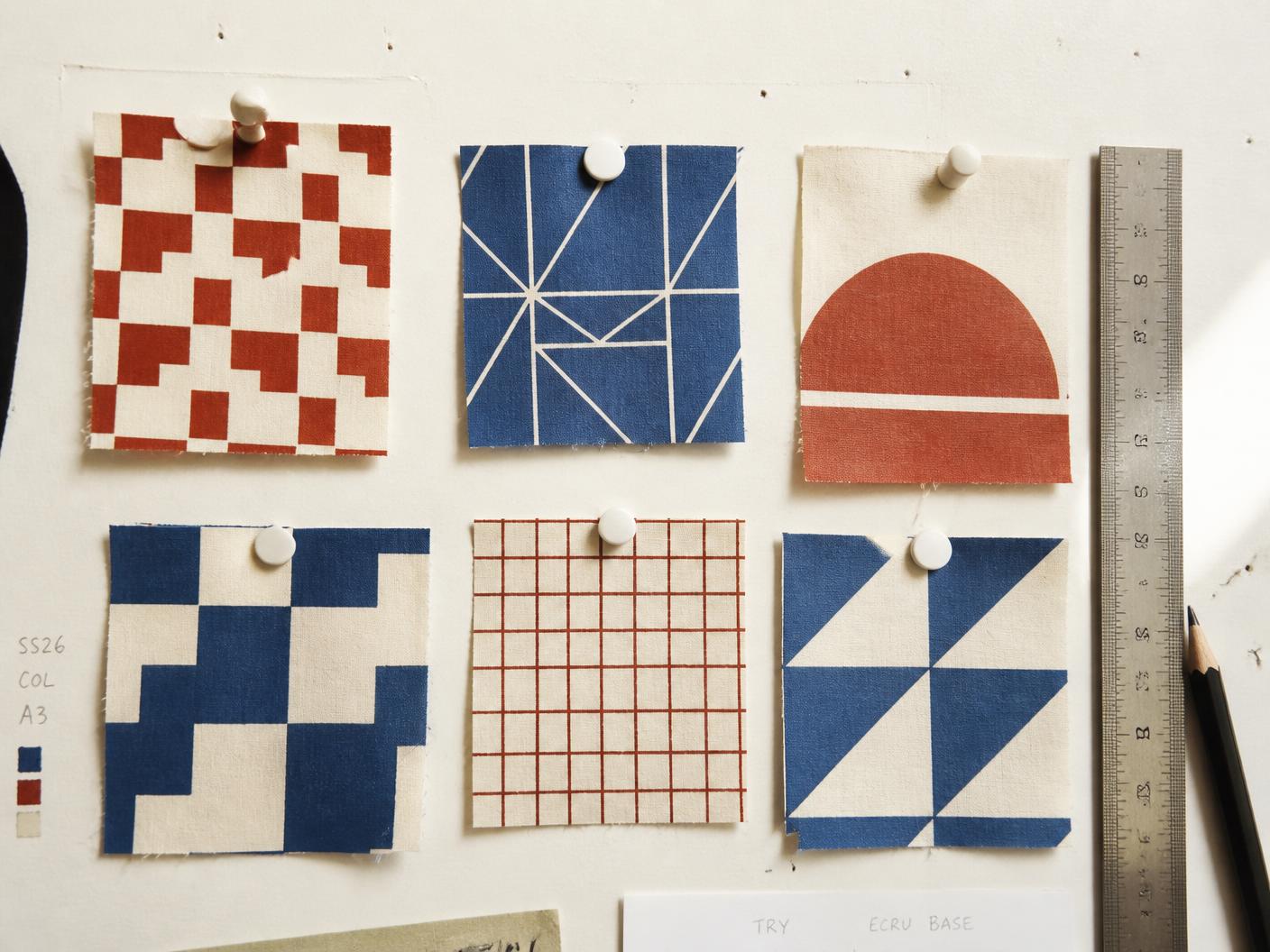
- Sharp angles, clean lines and precise repeats with visible discipline.
- Not 80s maximalist geometry — that peaked last year and is already receding.
- The new geometry is Y2K energy tempered by minimalist restraint.
- Risograph-style flat ink and a digital-first design language.
- Grid-based, modular, almost architectural in how it is constructed.
Why It’s Trending
- A post-maximalism backlash: consumers want clarity after several dense seasons.
- Geometric prints photograph exceptionally well — a real advantage on Instagram and in e-commerce imagery.
- Structured garments need structured print; geometry flatters tailoring.
- Geometry reads as intentional rather than accidental, which lifts premium positioning.
- Tech-forward and design-led brands gravitate here for strategic alignment.
Commercial Applications
- Menswear: geometric prints are outperforming florals roughly two to one this year.
- Womenswear: geometric layering, mixed with soft botanicals for contrast.
- Home: wallpaper, upholstery textiles and cushion covers.
- Stationery: geometry is the safe premium choice for notebooks and packaging.
- Print-on-demand: mugs, tote bags and tech accessories.
Oura Patterns in This Trend
- Retro Rhythm — geometric, contemporary and versatile across categories.
- Axis Shift — tailored and structured, made for menswear.
- Coastal Zigzag Waves — geometry meeting organic movement.
Trend 2: Abstract Minimalism — Less is Decidedly More
What’s Happening
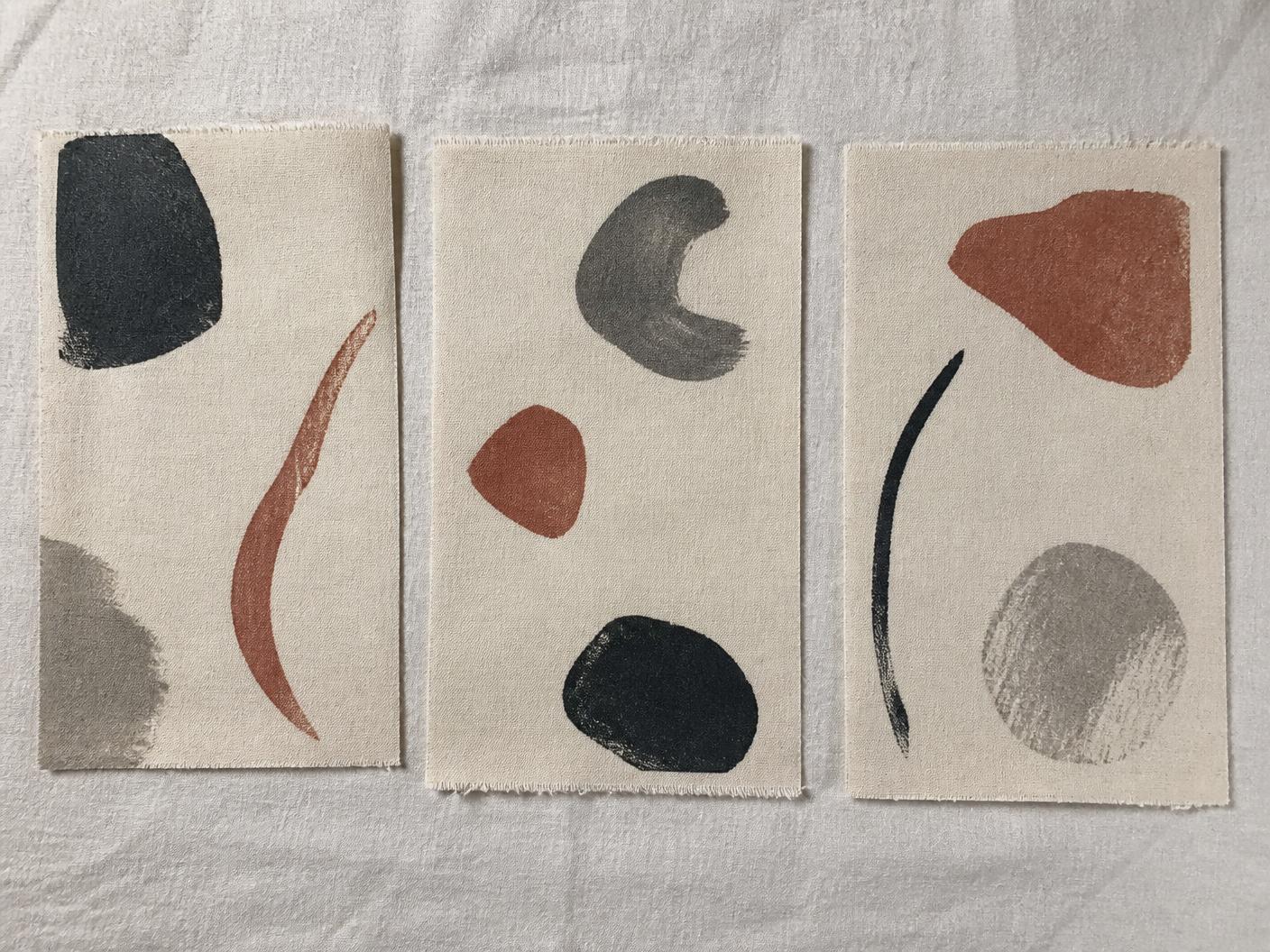
- Organic shapes carried by generous negative space.
- Watercolour influence meeting hard-edged precision.
- Minimal palettes — one to three colours dominate the repeat.
- Brushstrokes that read as intentional marks, not happy accidents.
- A design philosophy where every element has to earn its place.
Why It’s Trending
- The quiet-luxury movement is strong; understatement now signals premium.
- Fewer colours means less ink and less dye — a visible sustainability message.
- Premium fabrics like silk and linen benefit from breathing room in the print.
- Easier to manufacture and to print cleanly at scale.
- Gen Z leans minimal over maximal in everyday wardrobe purchases.
Commercial Applications
- Premium fashion, where luxury labels have already embraced the language.
- Intimates and sleepwear — minimalism reads as sensuality.
- High-end home textiles: wallpaper, curtains and bedding.
- Stationery — notebooks, journals and packaging.
- Luxury print-on-demand: phone cases and designer accessories.
Oura Patterns in This Trend
- Whisper Bloom — minimal, ethereal and quietly feminine.
- Blush Meadow — abstract botanicals with real space around them.
Trend 3: Nature Textures — Beyond Flowers
What’s Happening
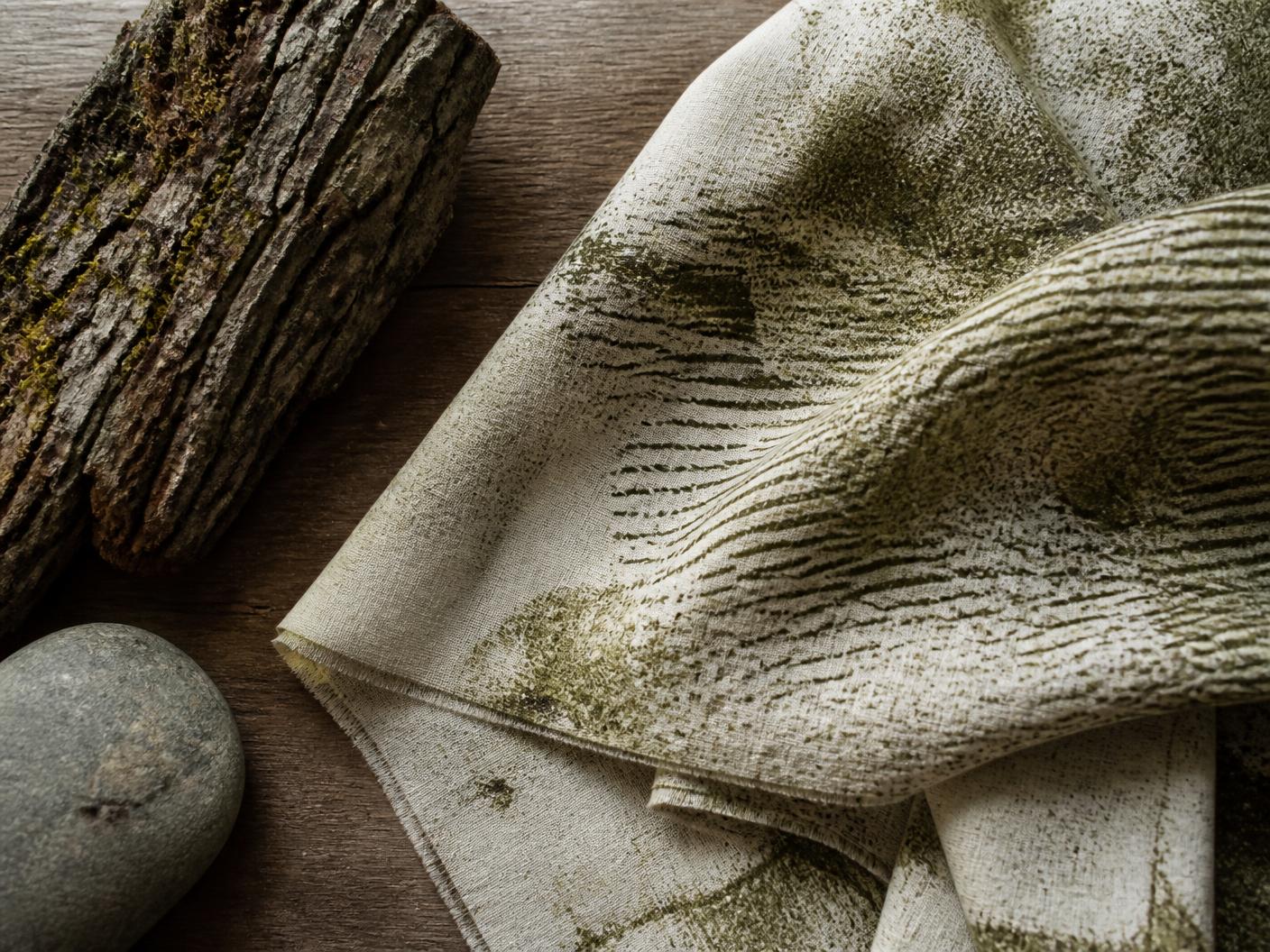
- The focus shifts from blooms to bark, leaves, water, stone and moss.
- Not illustrated florals — far more abstract natural surfaces.
- Texture mimicry: cross-hatching, stippling and layered mark-making.
- A tactile visual language; the print looks touchable on the roll.
- A grounding aesthetic — natural, earthy and calming.
Why It’s Trending
- The wellness narrative is dominant, and nature reads as healing.
- Biophilic design has reached mainstream interiors.
- Macro photography and surface texture are feeding illustration directly.
- It is the natural evolution of the botanical trend — florals grew up and got textural.
- The luxury market responds to sophisticated natural aesthetics.
Commercial Applications
- Home textiles — curtains, cushions and throws are the biggest opportunity here.
- Fashion: dresses, shirts and outerwear where texture adds visual interest without noise.
- Wallpaper and wall coverings for an immersive nature experience.
- Stationery and paper goods, especially tactile packaging.
- High-end home décor, where this direction is currently selling strongest.
Oura Patterns in This Trend
- The Botanical Harmony collection leans into nature texture rather than illustrated florals.
Trend 4: Cultural Fusion — Global Patterns Colliding
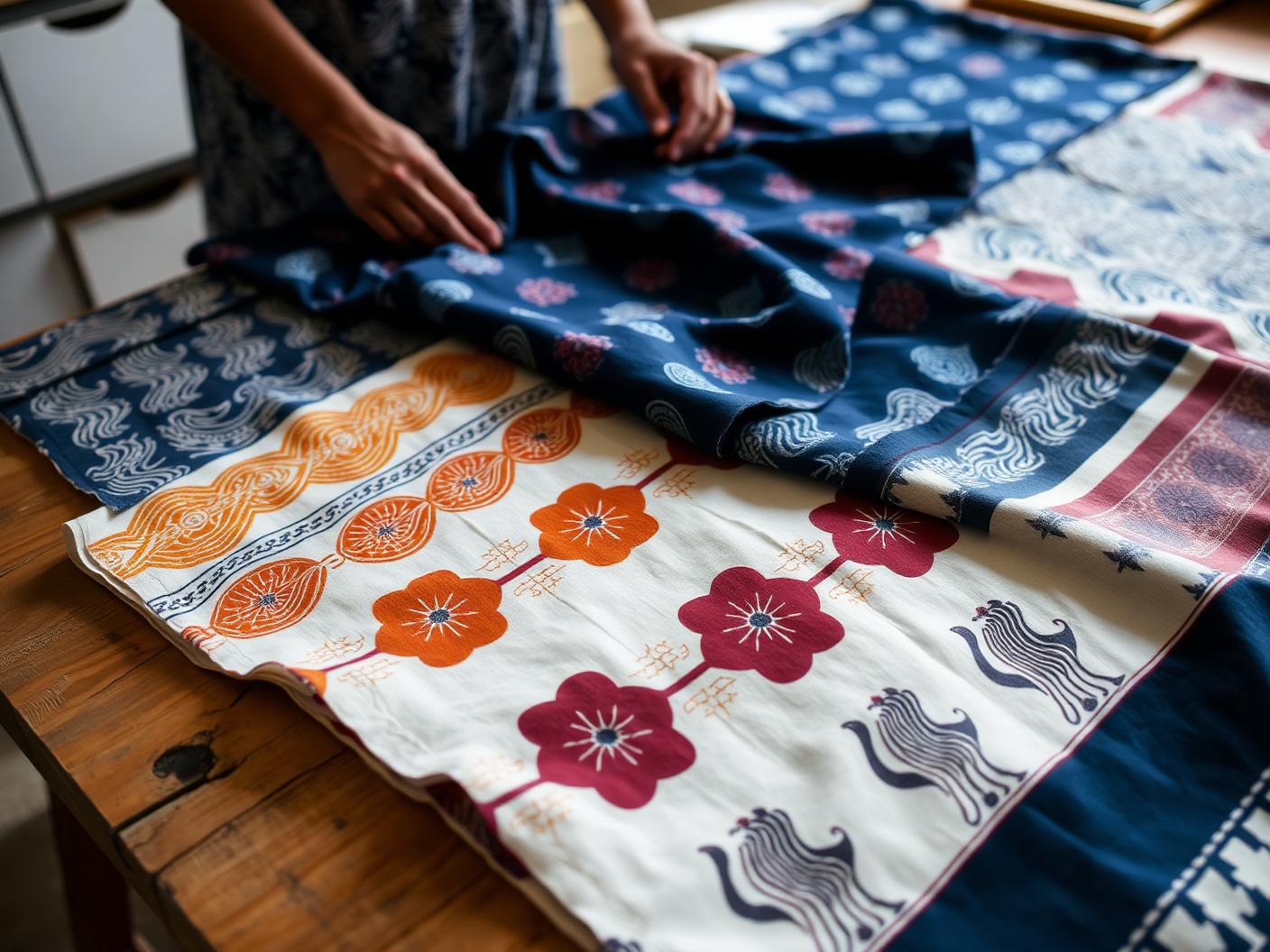
What’s Happening
- Patterns blending several cultural design languages in one repeat.
- Not appropriation — genuine fusion, from designers of that culture or from deep research.
- Japanese, Indian, African and Scandinavian references sharing a single composition.
- Respectful, educated, intentional mixing with credited references.
- Global accessibility reflected in a genuinely global aesthetic.
Why It’s Trending
- Gen Z demands authenticity and inclusivity, and can tell the difference.
- Design communities are globalised; designers collaborate across continents.
- Consumers want storytelling and cultural connection in what they buy.
- Brands differentiate through cultural depth rather than price.
- Social media amplifies designers from everywhere, not just design capitals.
Commercial Applications
- Fashion collections built around a specific culture, told properly.
- Luxury, where cultural storytelling supports premium positioning.
- Home décor with a global aesthetic — Scandinavian structure, Japanese restraint.
- Indian wear: modern interpretations of traditional buti and paisley motifs.
- Accessories — scarves, bags and jewellery packaging.
- Stationery, gift wrap and notebooks.
Oura Patterns in This Trend
- Indian Stories — contemporary Indian aesthetics drawn for modern production.
- Wander — travel-inspired and culturally informed.
Trend 5: Retro Revival — The 70s/80s Return (Done Right)
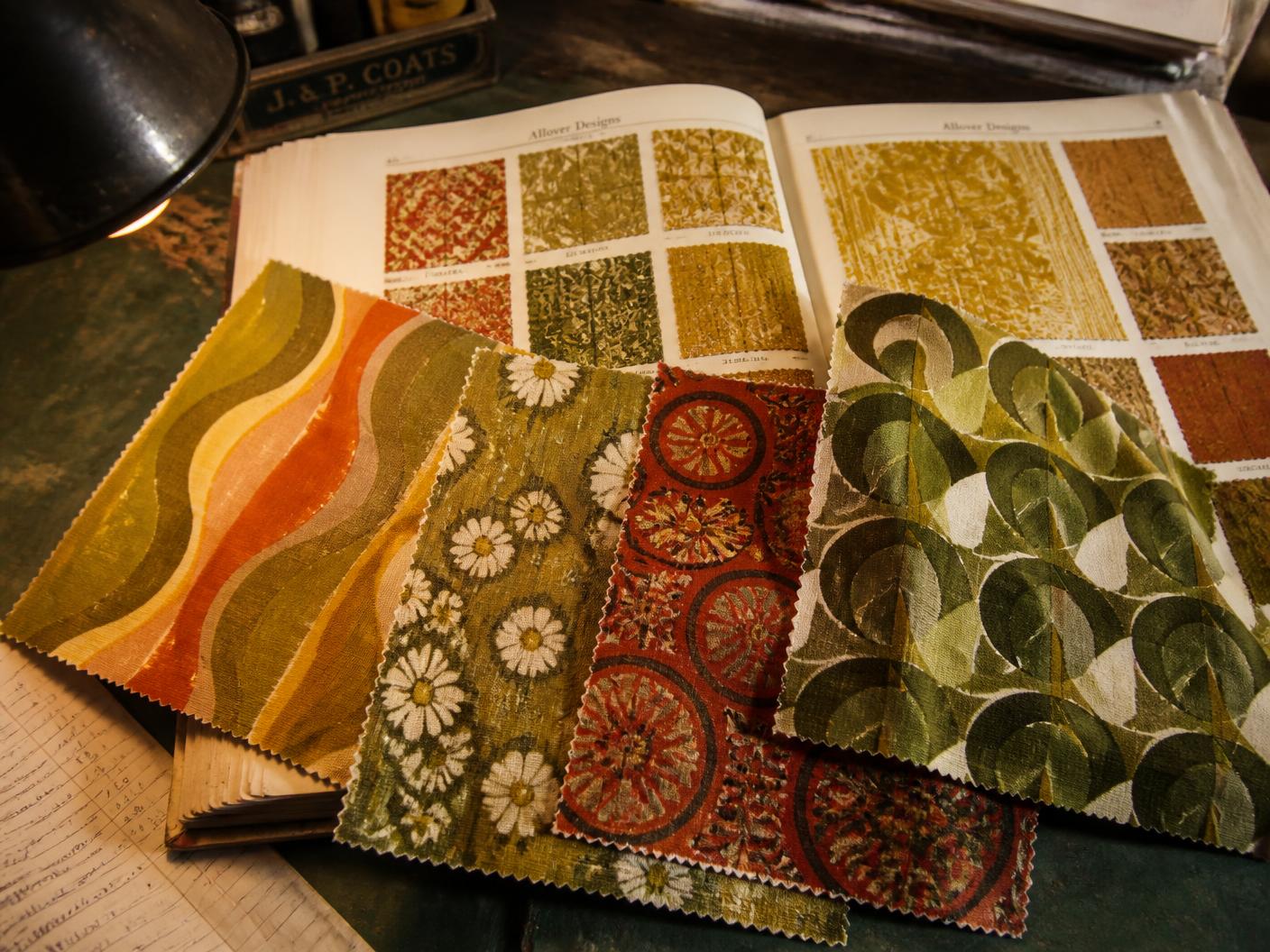
What’s Happening
- 70s and 80s aesthetics returning across fashion and interiors.
- But not kitschy or ironic — genuine nostalgia, respectfully executed.
- Avocado greens, burnt oranges and harvest golds back in the palette.
- Contemporary repeats carrying retro colour rather than retro drawing.
- Vintage textile archives and museum collections as the primary source.
Why It’s Trending
- Fashion is cyclical — decades return roughly every forty to fifty years.
- Nostalgia marketing is powerful, especially for a generation discovering 'vintage' first-hand.
- Vintage carries a sustainability narrative: buy considered, not new.
- Authenticity appeal — real 70s energy rather than a costume version of it.
- Designers are researching archives properly, and it shows in the artwork.
Commercial Applications
- Fashion: dresses and shirts carrying retro colourways.
- Home textiles — curtains and upholstery, where 70s is enormous right now.
- Wallpaper and wall coverings, currently the strongest retro category.
- Stationery and vintage-inspired packaging.
- Print-on-demand: mugs, tote bags and home décor.
Oura Patterns in This Trend
- Retro Rhythm — contemporary geometry carrying retro energy.
- Coastal Abstract Symbols — a geometric retro direction with a coastal palette.
Trend 6: Micro Patterns — The Ditsy Takeover
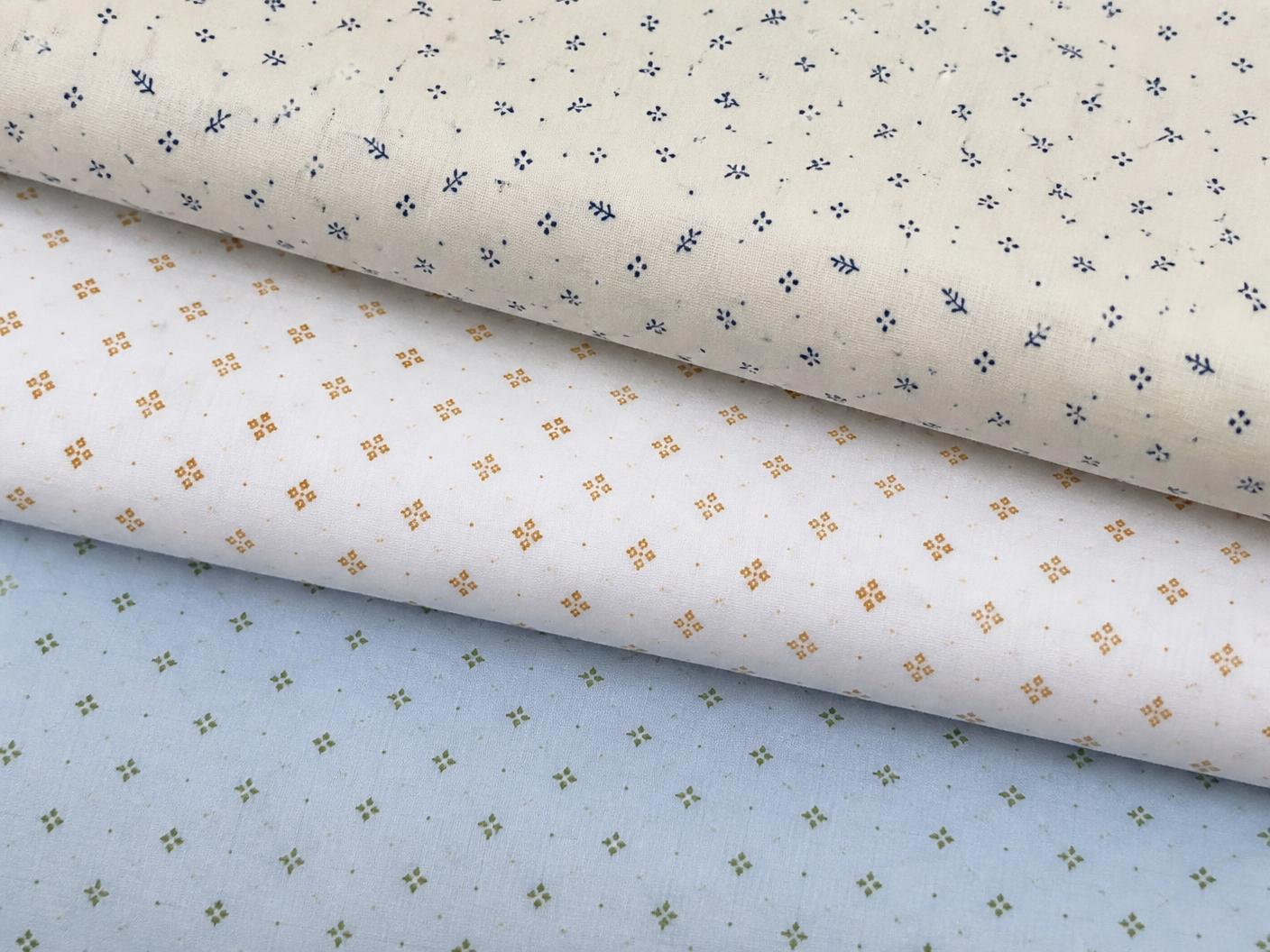
What’s Happening
- Small-scale repeats dominating everyday product.
- Ditsies, tiny florals and petite non-floral motifs.
- High-frequency pattern language — a lot of detail in very little space.
- Delicate and intimate up close, textural from two metres away.
- A renaissance of 'busy, done elegantly'.
Why It’s Trending
- Fabric efficiency: micro repeats need less cloth to show a complete repeat.
- Printing at high quality at small scale demonstrates technical skill.
- Fitted garments can be cut without slicing through a motif.
- Detail reads as premium — buyers associate fine scale with care.
- Micro patterns pair effortlessly with solids, which balances a range.
Commercial Applications
- Fashion: fitted dresses, structured garments and accessories.
- Kidswear, where ditsy scale suits small garments perfectly.
- Intimates, sleepwear and lingerie — delicate scale matches the product.
- Stationery and small-format paper goods.
- Scarves, where small scale holds up when the fabric is folded.
Oura Patterns in This Trend
- Whisper Bloom — a micro floral with a delicate hand.
- Blush Botanica — ditsy coordinates designed to sit under hero prints.
Trend 7: Placement Prints — Strategic Storytelling
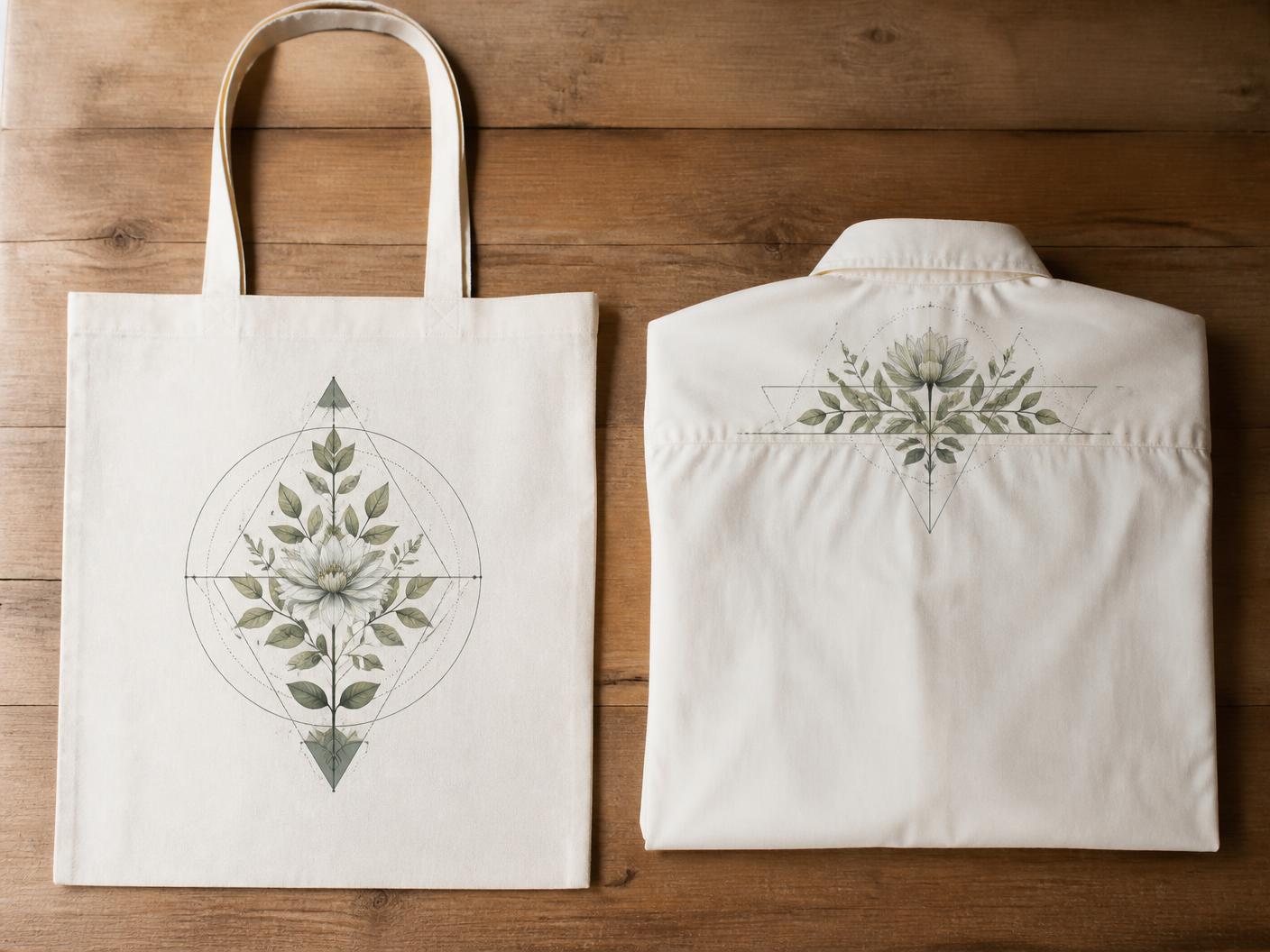
What’s Happening
- Directional prints placed deliberately instead of repeating everywhere.
- A large focal image in one location — front centre, pocket or collar.
- The rest of the garment stays solid or minimal.
- Illustration-led rather than pattern-led thinking.
- The designer decides exactly where the artwork lands.
Why It’s Trending
- Placement reads as craft and intentionality, which supports premium pricing.
- Less print means less ink and material — a sustainability story that is easy to tell.
- It is technically demanding, and that difficulty increases perceived value.
- A single focal point gives fashion photography a brand moment.
- The luxury market is driving the direction hardest.
Commercial Applications
- Premium fashion: dresses built around a placement focal point.
- Luxury T-shirts with strategic chest or shoulder placement.
- Accessories — scarves and bags designed around one image.
- Limited editions, where placement supports exclusivity.
Oura Custom Design Service
Placement prints cannot be pulled from a seamless library — by definition the artwork is drawn for one garment, one panel, one position. That makes them custom work, and it makes them a natural fit for exclusive collections where the print is the reason the piece exists.
Trend 8: Maximalism Paradox — Controlled Chaos
What’s Happening
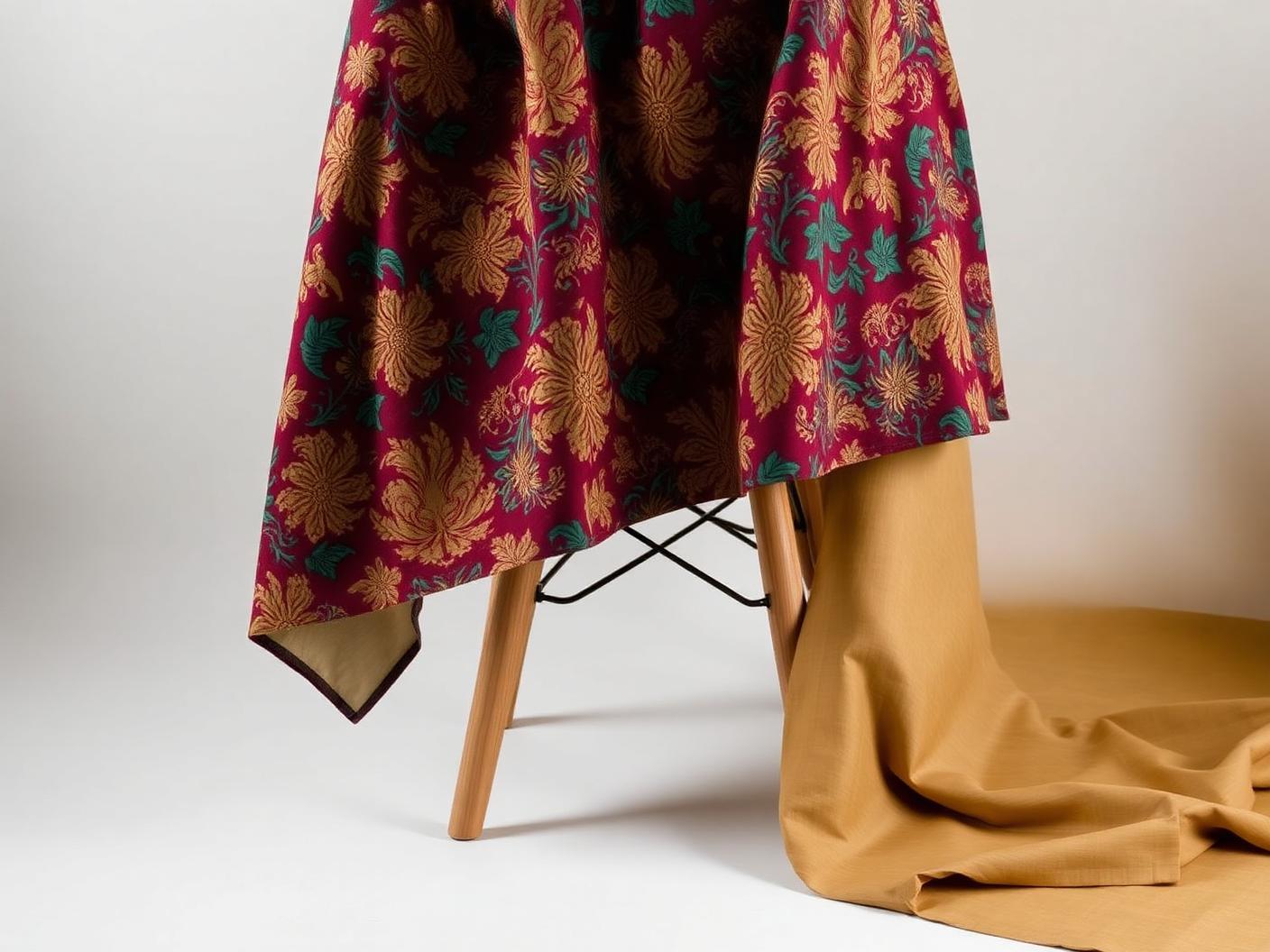
- A lot of pattern, held together by strict colour cohesion.
- Several pattern types inside one repeat — geometric plus floral plus texture.
- Overwhelming at first glance, harmonious once the palette registers.
- Dense, detailed and intentionally complex.
- The difference between 'good busy' and 'bad busy' is discipline, not restraint.
Why It’s Trending
- A post-minimalism backlash — part of the market wants abundance again.
- Luxury is embracing complexity as a signal of craft.
- Complex prints are visually engaging and highly screenshot-able.
- It showcases design skill: minimal is easier to make look good than busy.
- It is a confidence trend — brands saying they can carry complexity.
Commercial Applications
- Fashion: statement pieces, limited editions and hero prints.
- Luxury home, where maximalist interiors are back.
- Wallpaper for statement walls and feature rooms.
- Scarves that reward close examination.
- Premium print-on-demand, where complexity can be absorbed visually.
Oura’s Approach
The studio specialises in controlled complexity: dense compositions where every element serves the whole and the palette does the organising. Complexity without a governing colour logic is just noise on fabric.
Trend 9: Storytelling Patterns — Narrative Textiles
What’s Happening
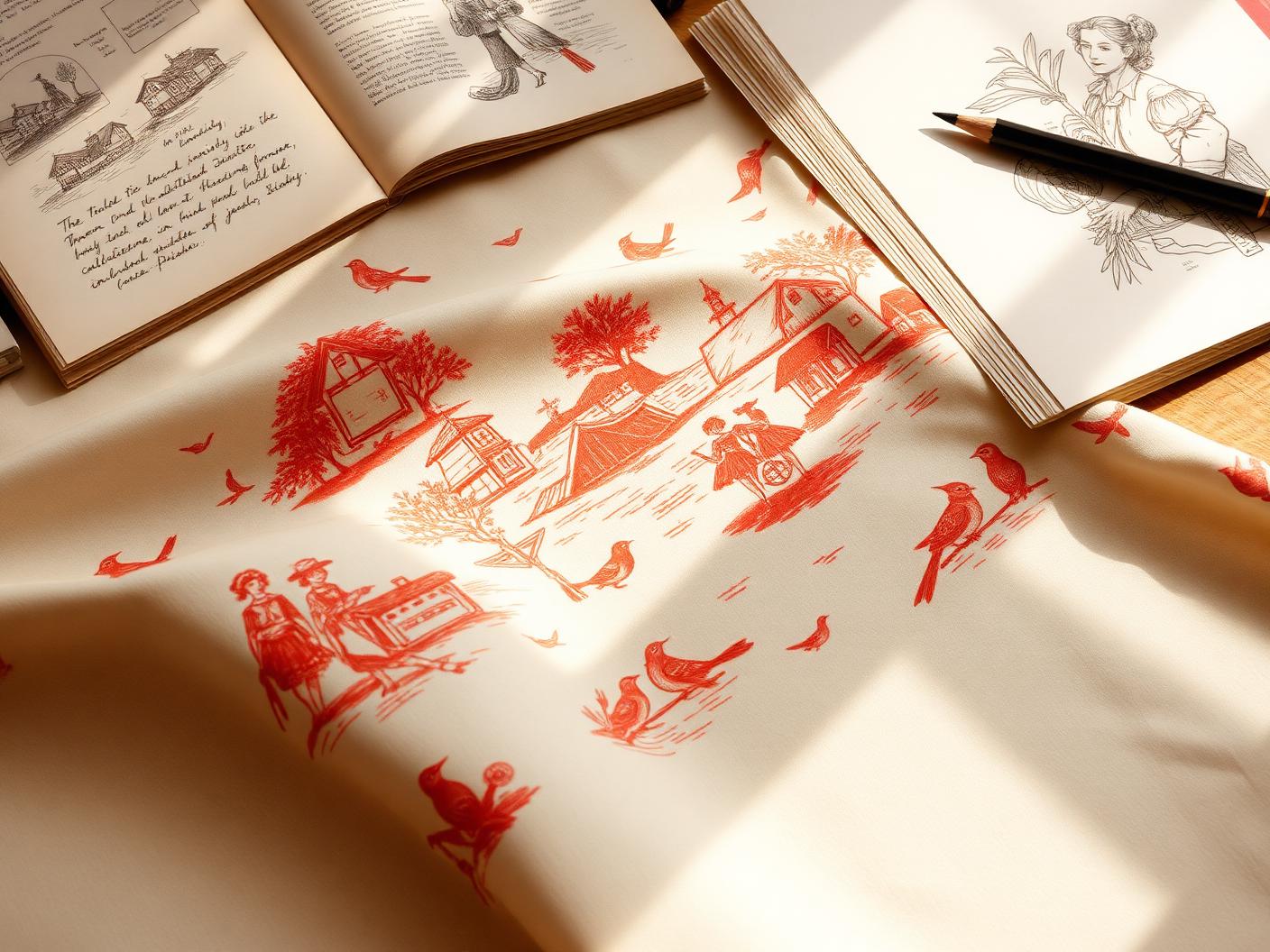
- Patterns that tell a story through a series of connected elements.
- A sequential design language, like a comic strip that repeats.
- Each repeat shows progression or relationship rather than random scatter.
- Narrative threads you could follow across the cloth.
- Illustrated, character-driven and emotionally resonant.
Why It’s Trending
- Consumers want meaning beyond aesthetics from what they buy.
- Storytelling is one of the few genuine differentiators left in print.
- Educational marketing: the pattern teaches something through its design.
- Customers want to be able to explain what they are wearing.
- Kids' clothing is the biggest driver — stories feed children's imagination.
Commercial Applications
- Kidswear, the strongest category for narrative prints.
- Narrative-driven fashion collections with a stated arc.
- Stationery built around story-based designs.
- Home textiles — narrative wallpaper and bedding.
- Luxury collections structured as chapters rather than drops.
Oura Collections with Narrative
- Indian Stories — a cultural narrative running through the collection.
- Wander — built around journey and exploration.
Trend 10: Sustainability-Driven Patterns — Design with Purpose
What’s Happening
- Design choices that communicate environmental commitment visually.
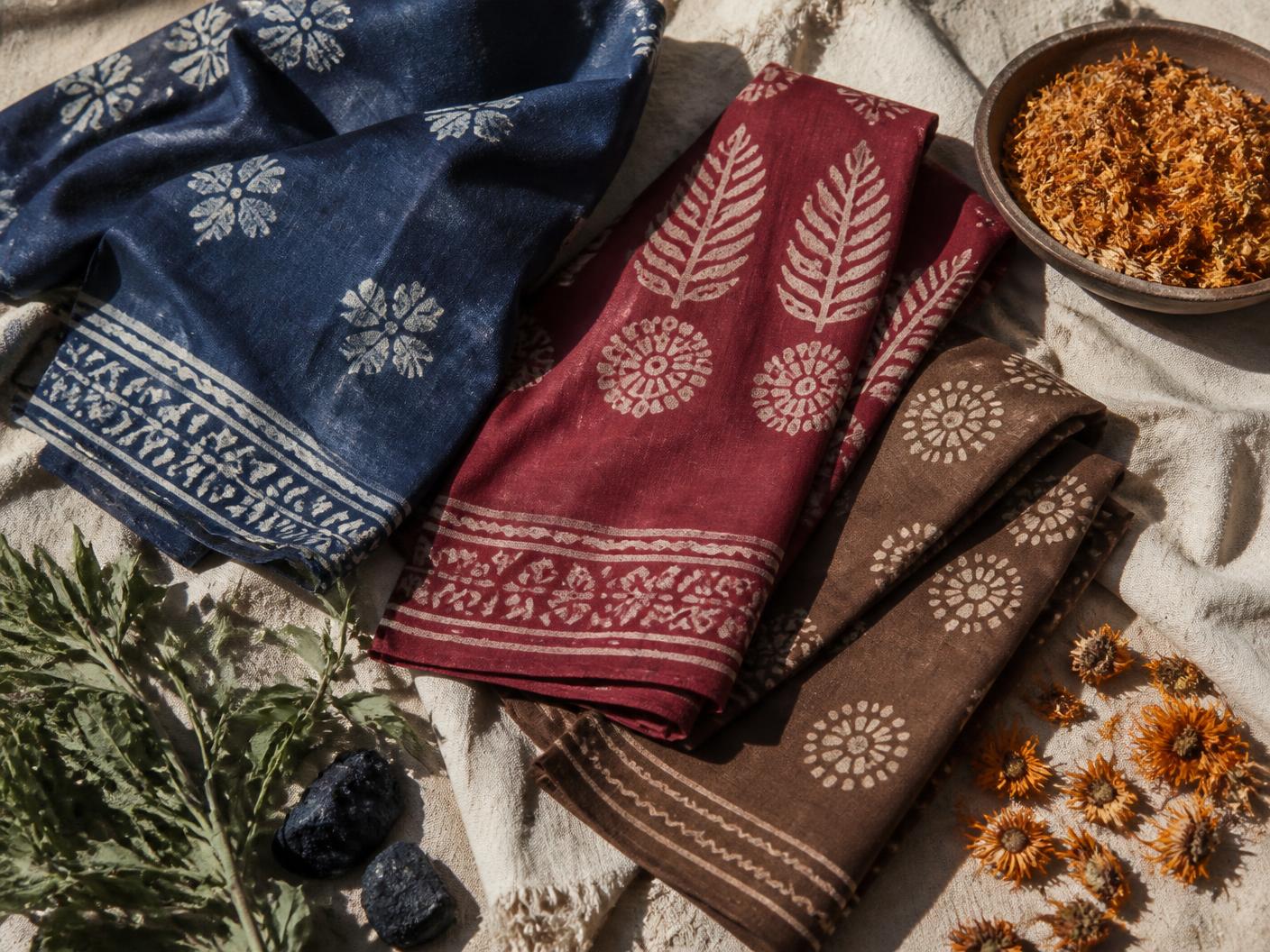
- Fewer colours, meaning less dye — sustainability you can see.
- Organic shapes rather than geometry, so the print feels less manufactured.
- Earthy palettes that visualise natural materials.
- Transparency about the design philosophy behind the range.
Why It’s Trending
- Gen Z and millennial purchasing power treats sustainability as a requirement.
- Corporate ESG mandates are reaching print and materials decisions.
- Sustainability now reads as premium rather than compromise.
- Regulatory pressure has the textile industry under scrutiny.
- Consumers can see the commitment in the artwork, not just the copy.
Commercial Applications
- Eco-focused fashion brands, where this is the core aesthetic.
- Home textiles marketed on their sustainability credentials.
- Packaging and stationery, where paper goods carry the narrative.
- Brand storytelling built on transparency.
- Carbon-neutral clothing lines.
Oura’s Approach
- Original artwork means no waste and no stock licensing chains.
- Digital patterns need no physical sampling to evaluate.
- Production-ready files mean no reprints from bad artwork.
- Efficient design uses less ink and less dye per production run.
The Strategy: Mixing Trends for Commercial Success
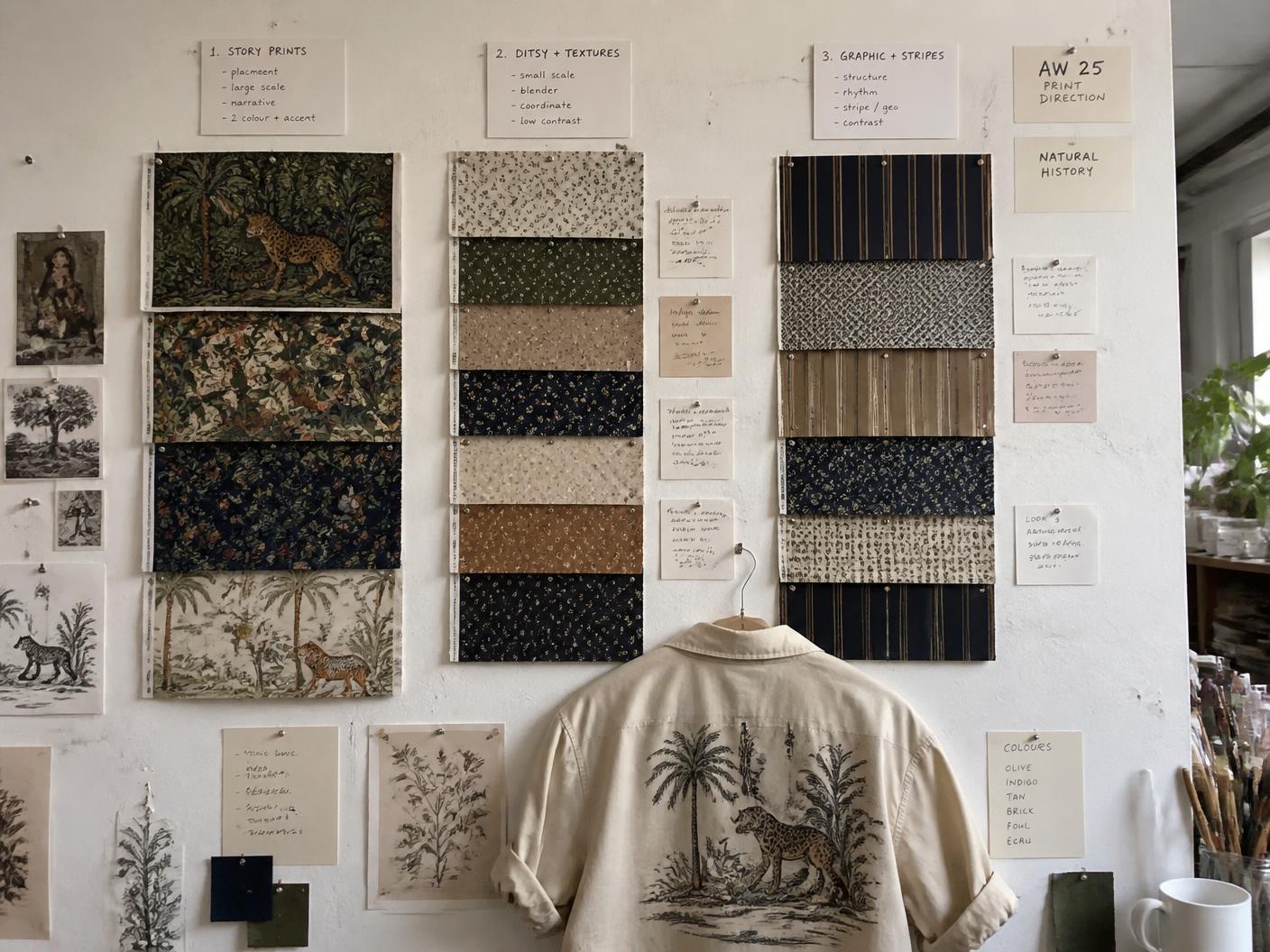
Do not choose one trend. A range built on a single direction is fragile — when that direction cools, the whole collection cools with it. Smart brands blend.
The Hybrid Approach
- Primary trend (40%): one dominant direction that defines the season.
- Secondary trend (40%): a complementary aesthetic that adds contrast.
- Anchor trend (20%): a timeless element that never goes out.
| Brand | Primary (40%) | Secondary (40%) | Anchor (20%) & result |
|---|---|---|---|
| Fashion brand launch | Geometric Resurgence | Cultural Fusion | Minimalism — contemporary structure with a story, and an anchor that stays sellable. |
| Home décor brand | Nature Textures | Retro Revival | Micro Patterns — a cosy-luxury aesthetic with sophisticated detail underneath. |
| Sustainable fashion | Sustainability-Driven | Minimalism | Placement Prints — purpose-led, intentional, premium eco positioning. |
Quarterly Refresh Strategy
- Choose three to four trends per quarter, not ten.
- Rotate based on season and on how the market actually responded.
- Keep one or two timeless anchors in the range permanently.
- Evolve the mix without losing the brand identity underneath it.
Testing Before Committing
- Start with one or two patterns per trend direction.
- Monitor sales velocity, not just first-week sell-through.
- Expand the winners and retire the underperformers quickly.
- Use customer feedback to refine the direction before the next drop.
2026 Pattern Planning: What to License Now
This Quarter (Q3 2026)
- Prioritise Geometric Resurgence and Abstract Minimalism.
- Both are accelerating rather than peaking — the window is still open.
- This is the moment to establish early positioning cheaply.
Next Quarter (Q4 2026)
- Lean into Nature Textures and Retro Revival.
- Holiday season pairs nostalgia with natural, grounding aesthetics.
- The seasonal tie-in makes the merchandising story write itself.
2027 Outlook
- Micro Patterns are predicted to dominate.
- Storytelling Patterns will grow, especially in kidswear.
- Sustainability-Driven design becomes baseline rather than optional.
- Maximalism plateaus as the market swings back toward minimal.
- Cultural Fusion stays strong on the back of a global economy.
The Oura Advantage
- Trend emergence tracked across 200+ client briefs.
- Every pattern created reflects observed market signals, not guesswork.
- You get trend-aligned patterns before they saturate.
- Custom commissions available when nothing ready-made fits the brief.
- Professional guidance on which trends suit your positioning.
Sourcing Strategy
- 60% from established trends for reliability.
- 30% from emerging trends for growth.
- 10% from future-forward concepts for positioning.
- That mix protects both your brand and your sales line.
Moving First
2026 is the year of pattern diversity. Florals will never disappear — but they will not dominate the way they did, and a range that leans only on them will look narrower than it did last year. Every direction in this guide is backed by market signals: retail movement, brand adoption and the briefs arriving in this studio.
The brands winning are the ones that move first. Staying ahead means sourcing now rather than waiting for a trend report to confirm what the shelves already show. Oura exists to help you navigate that with confidence — sourcing, creating and advising on pattern strategy, so your collection reflects what is winning right now rather than what won last season.
Questions
Trends, answered.
Keep reading
Related reading.
- Surface Pattern Design 101: Seamless Repeats ExplainedHow seamless patterns actually work — repeat types, 300 DPI, file formats, scale, colour and the five mistakes that cost brands money.
- Floral Pattern Trends 2026: Prints You'll See Everywhere This YearSofter colour, larger blooms and hand-drawn detail — the ten floral print directions shaping fashion, home décor and lifestyle products in 2026.
- Commission a custom pattern for your collectionSend a brief and we'll design a repeat around your brand.
- More field notes from the studio
New pattern drops
Get new patterns before anyone else.
A quiet letter from the studio — new drops, exclusive releases and print notes. No noise, unsubscribe any time.
More field notes are in the works.
Back to journal